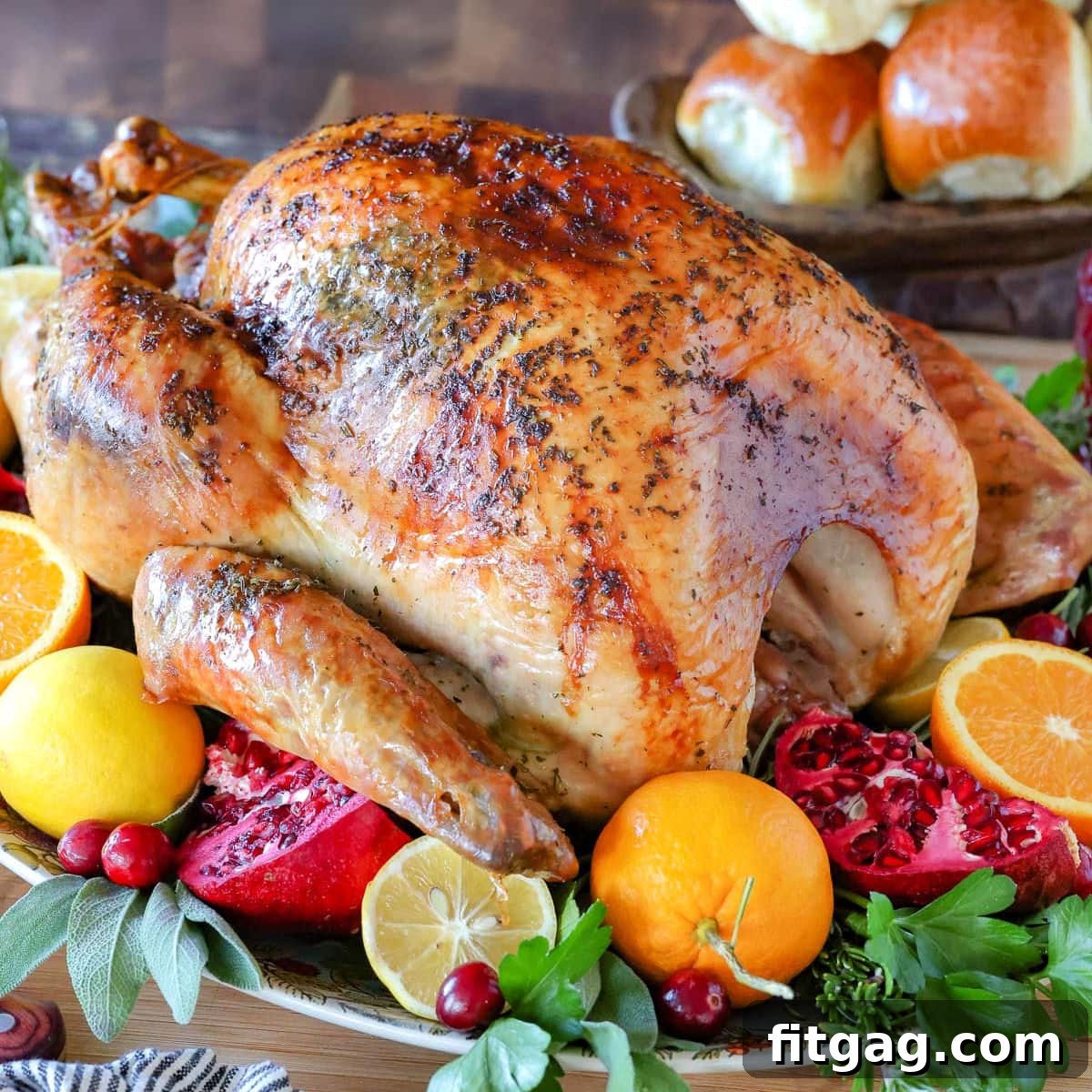
Prepare for the most unforgettable holiday centerpiece! This isn’t just a recipe; it’s your definitive guide to cooking a Thanksgiving turkey that’s wonderfully juicy, incredibly flavorful, remarkably tender, and boasts perfectly crispy, golden-brown skin. Designed to be fool-proof, this method promises a roast turkey so delicious your guests will be clamoring for seconds, making it the highlight of your festive table.
While this comprehensive guide focuses on the ultimate whole roasted turkey, we understand that sometimes smaller or alternative preparations are needed. For those occasions, you might also enjoy our recipes for Roast Turkey Breast, Air Fryer Turkey Breast, or Crockpot Turkey Breast.
Crafting the Perfect Thanksgiving Turkey
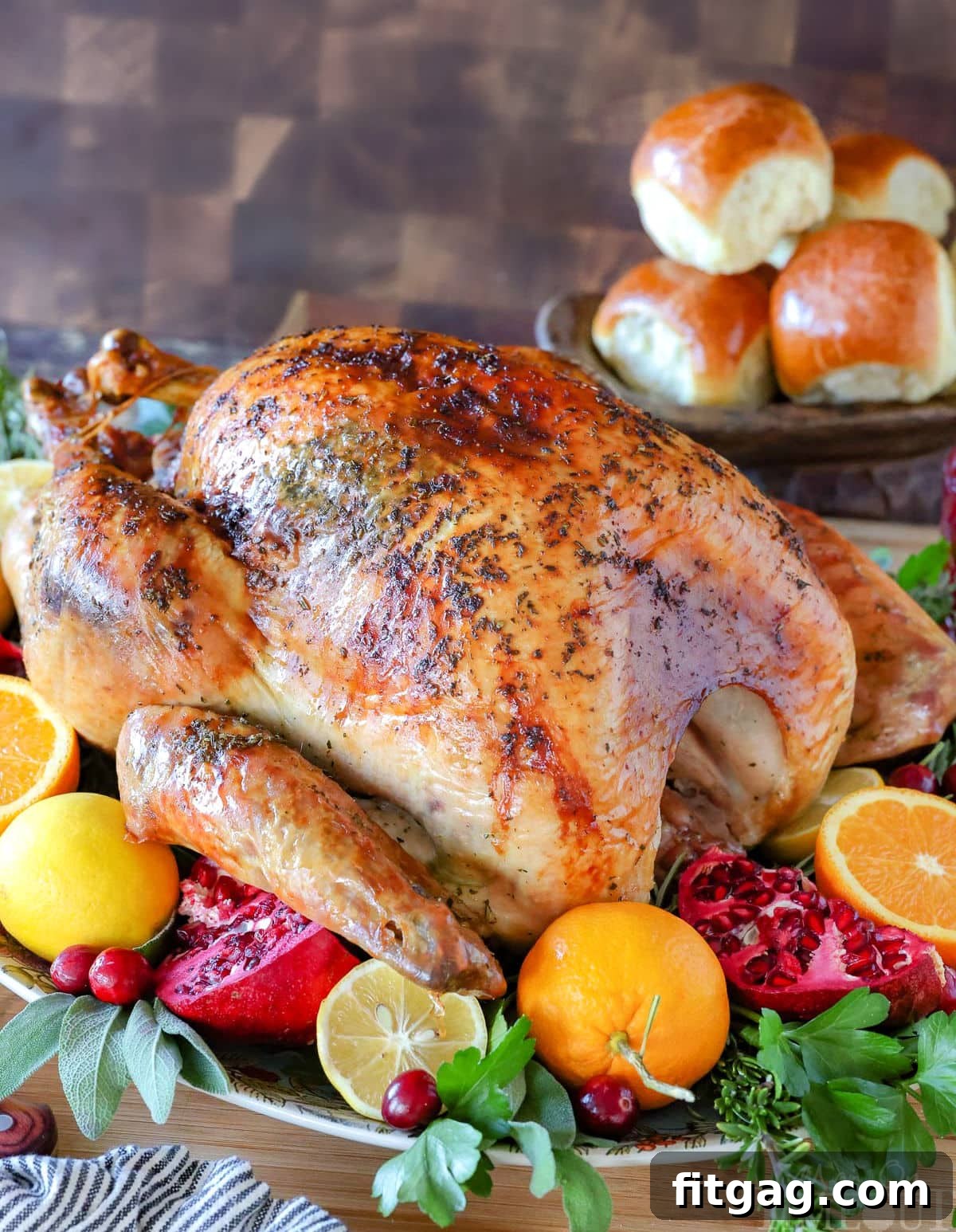
The roast turkey isn’t just a dish; it’s the heart and soul of Thanksgiving and Christmas celebrations. For decades, this very recipe has graced my own holiday table, consistently delivering exceptional results. Having previously embraced the tradition of brining, I cultivated a high standard for what a perfect turkey should be: deeply flavorful, astonishingly juicy, and crowned with an irresistible crispy skin. This recipe achieves all of that and more, without the extensive labor of a traditional brine.
My journey to perfecting this easy roast turkey recipe involved distilling the best flavors and techniques from my favorite brining methods into a simplified approach. The result? A transformation of skeptics into true turkey enthusiasts. Its secret lies in the harmonious blend of fresh herbs, rich butter, and a bright hint of citrus, creating a turkey that’s not only easy to prepare but guarantees a tender, moist, and unforgettable experience with every single bite.
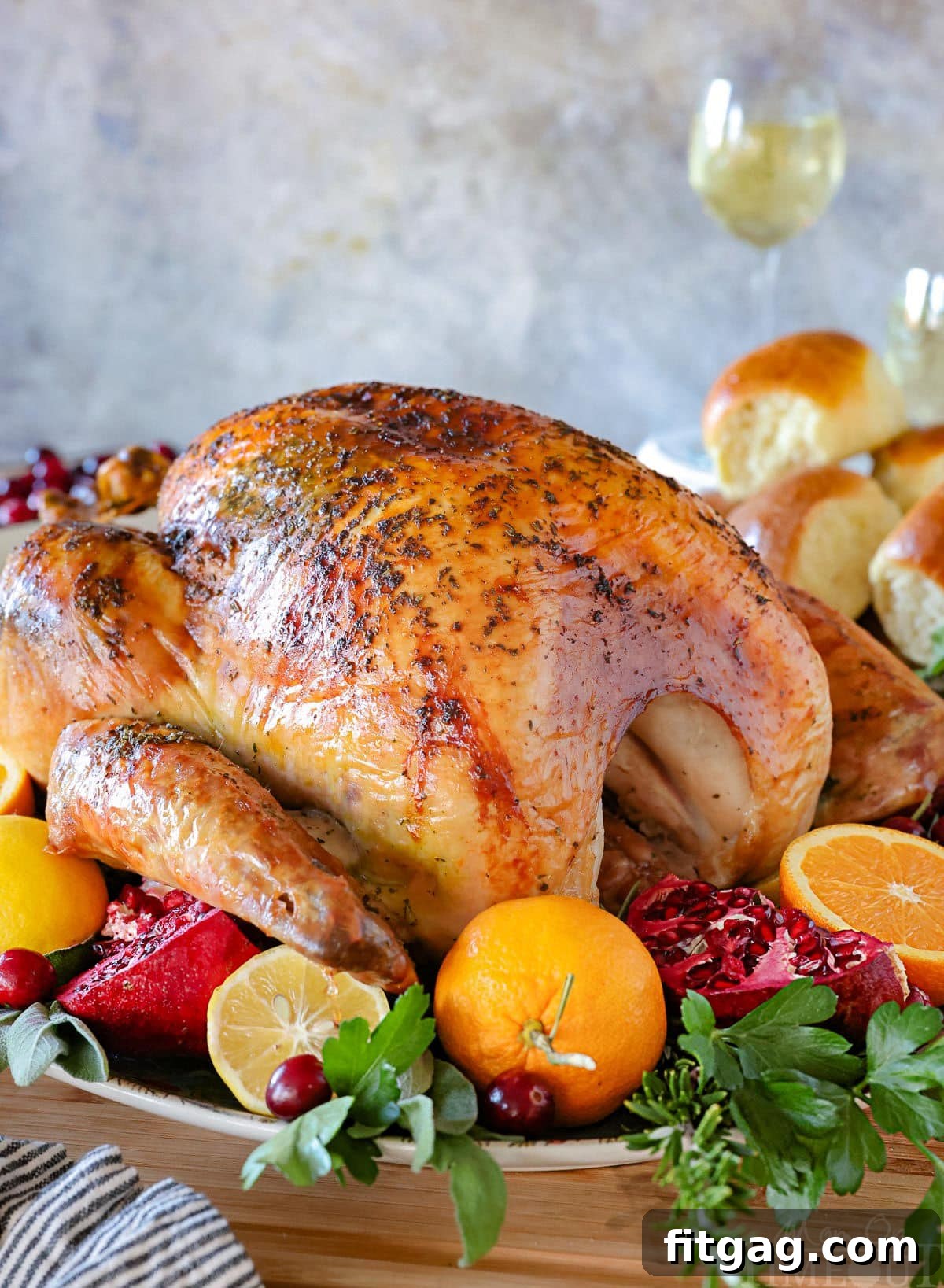
Imagine your home filled with the warm, inviting aroma of a golden-brown turkey, infused with a savory herb butter lovingly slathered both over and under its skin. This method is crucial for locking in moisture and infusing maximum flavor. As it roasts to perfection alongside aromatic fresh vegetables, zesty citrus, and fragrant herbs tucked within its cavity, this turkey becomes the quintessential centerpiece, a symbol of abundance and celebration for your holiday feast.
Why This Roast Turkey Recipe Stands Out
This isn’t just another turkey recipe; it’s a culinary triumph designed to make your holiday meal both spectacular and stress-free. From its aromatic herb compound butter to the medley of fresh vegetables and citrus roasted alongside, every element contributes to a turkey that’s as flavorful as it is visually stunning. Here are just a few compelling reasons why this easy Thanksgiving turkey recipe will become your new holiday tradition:
- Effortless Elegance with Maximum Flavor: Don’t let the impressive results fool you; this roasted turkey recipe is remarkably straightforward to prepare. Utilizing a simple yet powerful combination of fresh herbs, high-quality butter, and bright citrus notes, it delivers a punch of flavor that is both sophisticated and universally adored. You’ll achieve restaurant-quality taste with minimal fuss.
- Unrivaled Moisture and Tenderness: The secret to a turkey that’s never dry lies in our strategic use of compound butter. Applied generously under and over the skin, this butter creates a protective, flavor-rich layer that locks in moisture. Coupled with aromatic herbs and fresh vegetables tucked into the cavity, each slice of turkey is guaranteed to be incredibly juicy and wonderfully tender, from breast to thigh.
- The Ultimate Crowd-Pleaser for Gatherings: This recipe consistently earns rave reviews, making it ideal for any family holiday gathering, a special occasion, or simply when you want to impress. Its balanced flavors and perfect texture appeal to all palates. Plus, the joy doesn’t end on carving day! Should you be fortunate enough to have leftovers, they are just as delicious, providing a delicious foundation for creative post-holiday meals.
Mastering Your Thanksgiving Turkey: A Step-by-Step Guide
Preparing a show-stopping roast turkey might seem daunting, but it’s actually much simpler than you imagine. With a few fresh ingredients, a fragrant herb compound butter, and our detailed instructions, you’ll create a tender, juicy turkey with irresistibly golden skin. Follow these steps to ensure your flavorful turkey becomes the undisputed star of your holiday table. For a complete list of ingredients and detailed measurements, please refer to the comprehensive recipe card at the end of this post.
Step 1: Preparing Your Turkey for Roasting
- Remove Packaging and Internal Contents: Carefully take your thawed turkey out of its packaging. Reach into the main cavity and the neck cavity to remove the giblets and neck. These can be saved for making stock or gravy, or discarded. Also, remove any plastic pop-up timers or leg clamps. It’s crucial that the turkey is clean and ready for seasoning.
- Bring to Room Temperature: For even cooking, allow the turkey to sit at room temperature for at least one hour before it goes into the oven. This helps the meat cook more uniformly and prevents the exterior from cooking too quickly while the interior remains cold.
Step 2: Crafting the Aromatic Herb Butter
The compound herb butter is the secret weapon for this recipe, infusing the turkey with incredible flavor and moisture.
- Soften Butter: Ensure your unsalted butter is genuinely softened to room temperature. This will allow it to mix easily with the herbs and spread smoothly over the turkey.
- Combine Ingredients: In a medium bowl, combine the softened, cubed butter with finely chopped fresh parsley, rosemary, thyme, sage, fine sea salt, and freshly ground black pepper.
- Mix Thoroughly: Use a fork or a rubber spatula to thoroughly combine all the ingredients until you have a cohesive, fragrant herb butter mixture. This can also be done quickly in a food processor if you prefer. Set aside while you prepare the cavity ingredients.
- Prepare Cavity Aromatics: Gather and chop all the vegetables, onion, and fruit (carrots, celery, onion, orange, lemon) into large, manageable pieces (1-2 inches). These aromatics will perfume the turkey from the inside out.
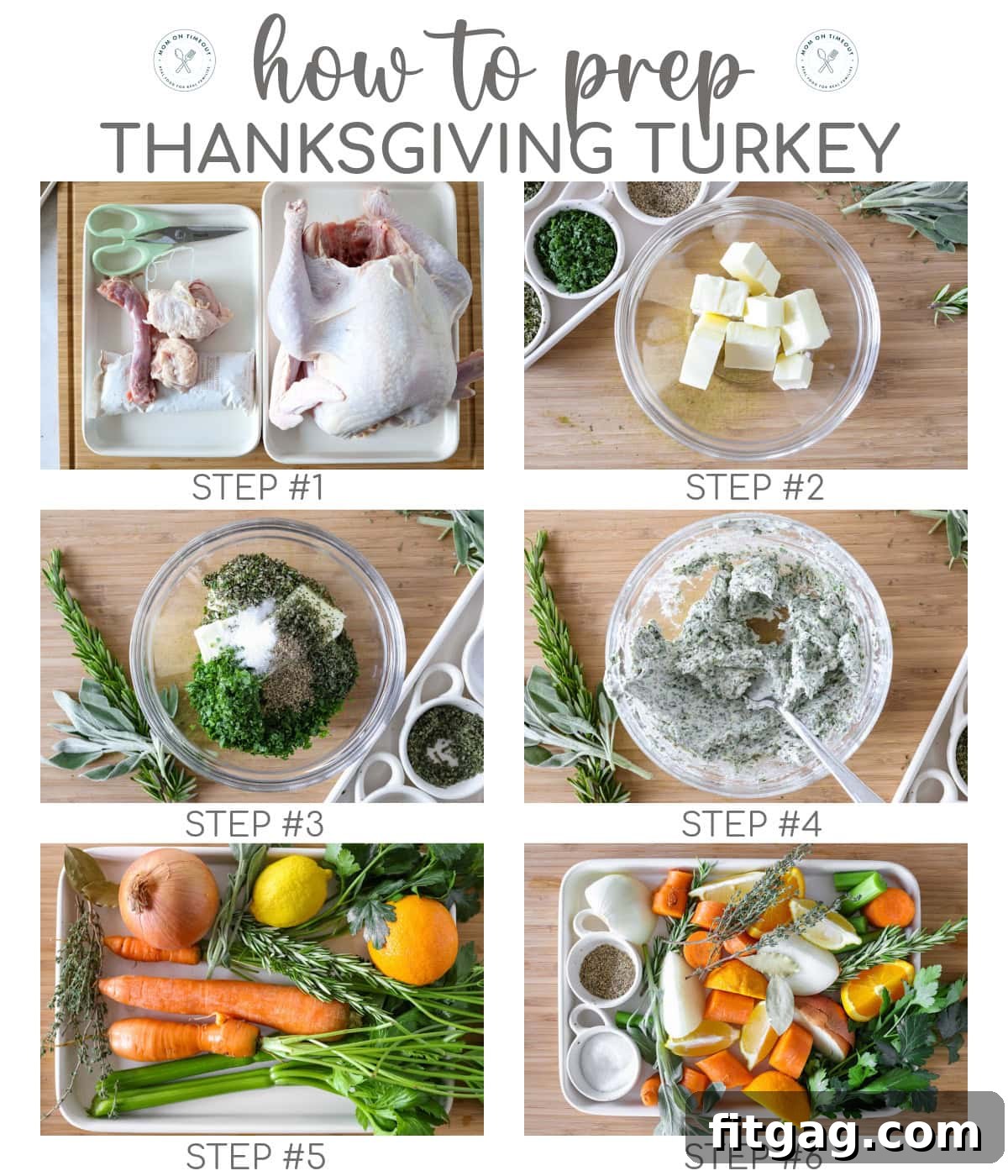
Step 3: Seasoning and Stuffing the Cavity
- Pat Dry and Season: Using an abundance of paper towels, thoroughly pat the entire surface of the turkey dry – inside and out, paying special attention to areas around the wings and legs. A dry surface is crucial for achieving crispy skin and for the herb butter to adhere properly. Season the cavity generously with salt and pepper.
- Loosely Stuff the Cavity: Gently fill the turkey cavity with the prepared carrots, celery, onion quarters, fresh herb sprigs (thyme, rosemary, sage, parsley), bay leaves, and orange and lemon quarters. Do not pack the cavity tightly, as air circulation is necessary for even cooking. Just add as much as will comfortably fit. You’ll likely have some leftover aromatics, which can be placed directly in the roasting pan.
Step 4: Applying the Herb Butter and Preparing for Roast
- Lift Skin and Apply Butter: This is a key step for maximum flavor and moisture. Starting from the neck opening, carefully slide your fingers between the skin and the breast meat to gently separate the membrane. Repeat this process for the thighs. Take several tablespoons of the herb butter and generously spread it under the skin over the breasts and thighs, working from the outside to create an even layer. Then, slather the remaining butter mixture all over the exterior of the turkey, ensuring every surface is coated for that beautiful golden-brown finish.
- Secure and Position: Using butcher’s twine, loosely tie the turkey legs together. This helps the turkey cook more evenly and creates a neater presentation. Tuck the wing tips under the body of the turkey to prevent them from burning. Place the prepared turkey onto a roasting rack set inside a large roasting pan.
- Add Liquids to Roasting Pan: Pour the chicken stock (or water) and apple cider into the bottom of the roasting pan, beneath the rack. This liquid serves multiple vital purposes: it prevents drippings from burning, creates a moist environment for the turkey, and contributes to aromatic steam, all while providing a flavorful base for your homemade gravy later.
Step 5: Roasting Your Turkey to Perfection
- Roast until Golden and Cooked Through: Place the roasting pan with the turkey in your preheated oven. Roast until a reliable meat thermometer, inserted at least two inches deep into the thickest part of the thigh (without touching bone), registers 160°F. The general rule of thumb is approximately 12 to 15 minutes per pound, but a thermometer is your most accurate guide. Remember, the turkey’s internal temperature will continue to rise as it rests (carryover cooking) to reach the safe internal temperature of 165°F.
- Basting (Optional but Recommended): For an extra juicy turkey and more even browning, you can baste the turkey once every hour with the flavorful pan juices accumulated in the roasting pan, or use extra chicken or turkey stock. Work quickly to minimize how long the oven door is open, as prolonged exposure to cooler air can significantly drop the oven temperature and extend cooking time.
- Prevent Over-Browning: If you notice the skin browning too quickly before the turkey is fully cooked, loosely tent the turkey with aluminum foil. This protective layer will prevent further browning and crisping of the skin while allowing the turkey to continue cooking through to the safe internal temperature without burning the exterior. I typically begin tenting after about 90 minutes of roasting.
- The Critical Resting Period: Once the turkey reaches 160°F, remove it from the oven and carefully transfer it, still on its rack or to a clean baking sheet, to a cutting board. Tent it loosely with foil. Let the turkey rest for a minimum of 20 to 30 minutes (larger turkeys may benefit from a longer rest up to 45 minutes) before carving. This crucial step allows the juices to redistribute throughout the meat, ensuring every slice is incredibly moist and tender. Do not skip this!
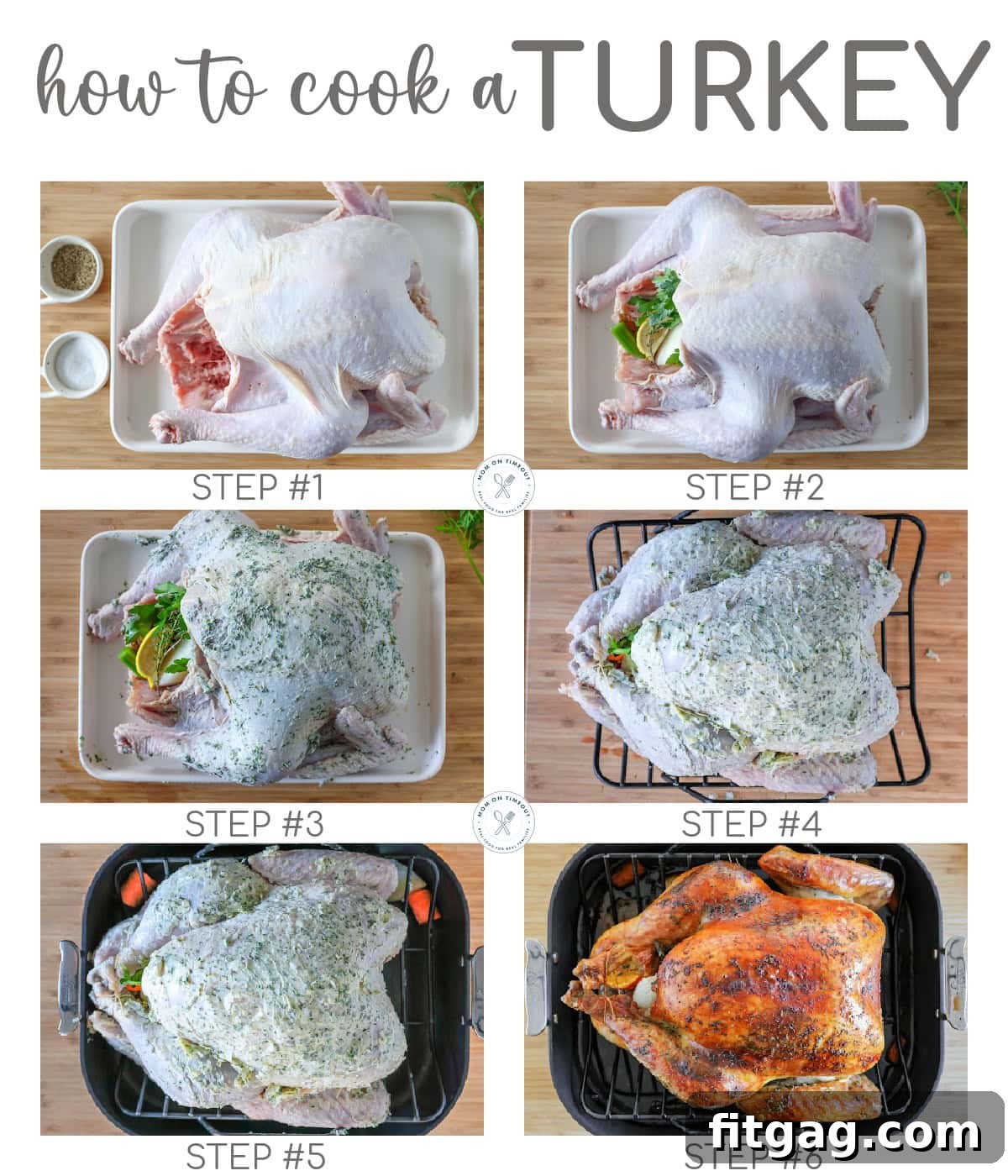
Pro Tip: Prepare Your Herb Butter in Advance! To save valuable time on Thanksgiving Day, you can make the compound herb butter up to one week ahead and store it in the refrigerator. For longer storage, freeze it for up to three months. Simply shape the butter into a log, wrap it tightly in plastic wrap, and store. Remember to let it come to room temperature before applying to the turkey for easy spreading.
Effortless Turkey Carving for a Beautiful Presentation
Carving a whole roast turkey might seem intimidating, especially if it’s your first time or you’re serving a crowd. But rest assured, with a few simple techniques and the right tools, you’ll be able to carve your magnificent bird with confidence and create a stunning presentation. Remember, this turkey is all about incredible flavor – so even if a cut isn’t perfectly symmetrical, it will still taste absolutely amazing!
- Maintain Warmth with Foil Tenting: After removing your turkey from the oven, ensure it remains loosely tented with foil. This not only keeps it warm but, more importantly, facilitates the vital resting period by allowing the meat to reabsorb its juices, ensuring maximum moisture.
- The Importance of Resting Time: This step cannot be overstated. A turkey needs approximately 25 to 30 minutes to rest, depending on its size. For turkeys under 15 pounds, aim for closer to 25 minutes; for those closer to 20 pounds, allow the full 30 minutes (or even a little longer). Resting allows the muscle fibers to relax and redistribute those delicious juices, resulting in an exceptionally tender and moist turkey. Cutting too soon will cause all those precious juices to run out onto your cutting board.
- Essential Carving Tools: The right tools make all the difference. You’ll need a very sharp knife – ideally a long, thin carving knife or a sharp chef’s knife. A sturdy carving board with grooves to catch juices is also highly recommended.
- Start with the Drumsticks: Begin by removing the legs, as they can sometimes be the trickiest part. Slice through the skin connecting the leg to the body. Then, gently press the leg down onto your cutting board until you feel or hear the hip joint pop. Carefully cut through the joint (not the bone) to detach the entire leg. You can then separate the drumstick from the thigh if desired, by locating the joint between them and cutting through it.
- Next, the Wings: The wings are removed similarly to the legs. Gently pull or press each wing away from the turkey’s body until you can clearly see the joint. Use your sharp knife to cut cleanly through the joint, detaching the wing.
- Finally, the Breast Meat: The breast meat is often the most anticipated part. Locate the breastbone running down the center of the turkey. Starting from the top, run your knife along one side of the breastbone, following the contour of the rib cage, to remove one entire breast half. Repeat for the other side. Once removed, slice the breast meat against the grain into evenly thick pieces for serving. Cutting against the grain is crucial for maintaining the meat’s tenderness and juiciness.
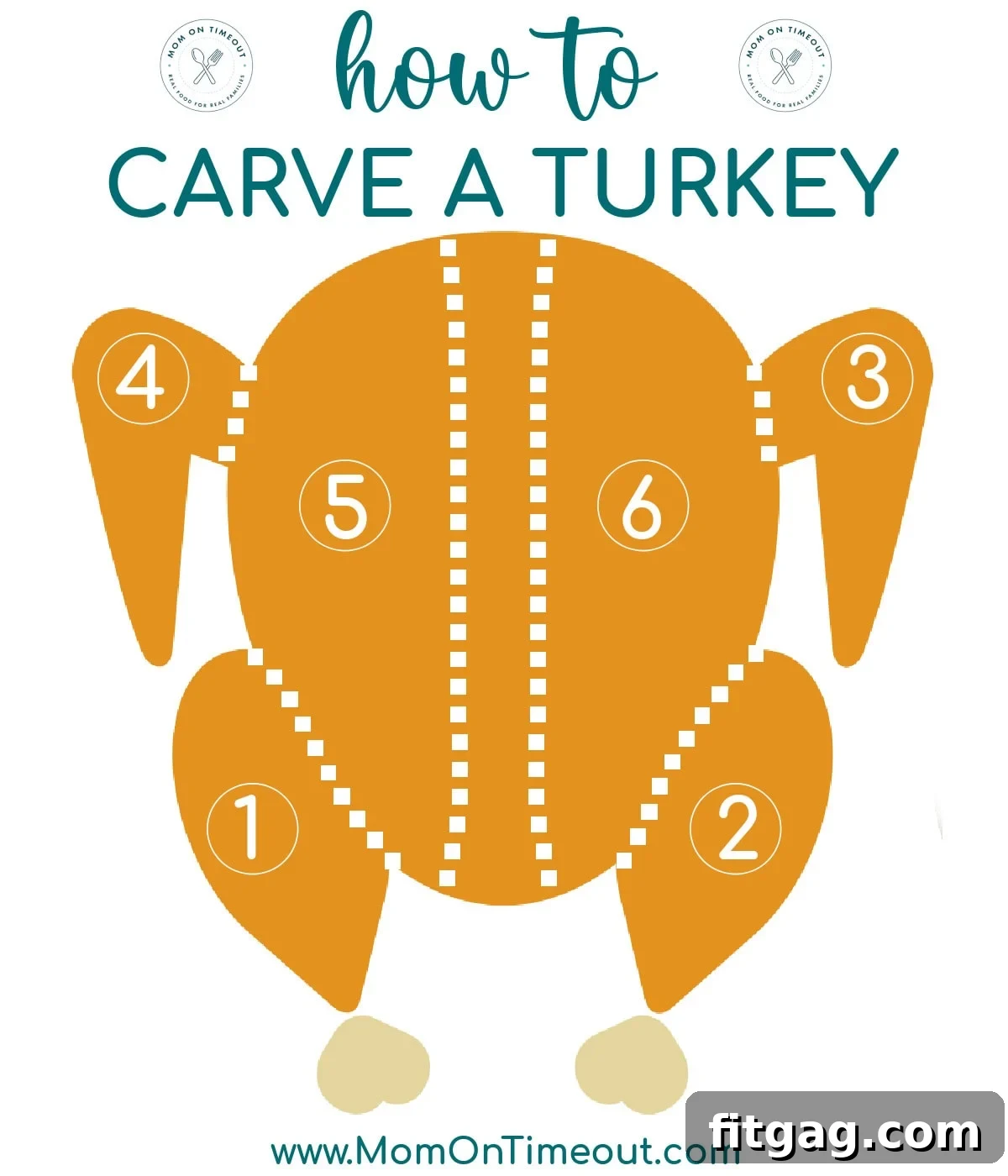
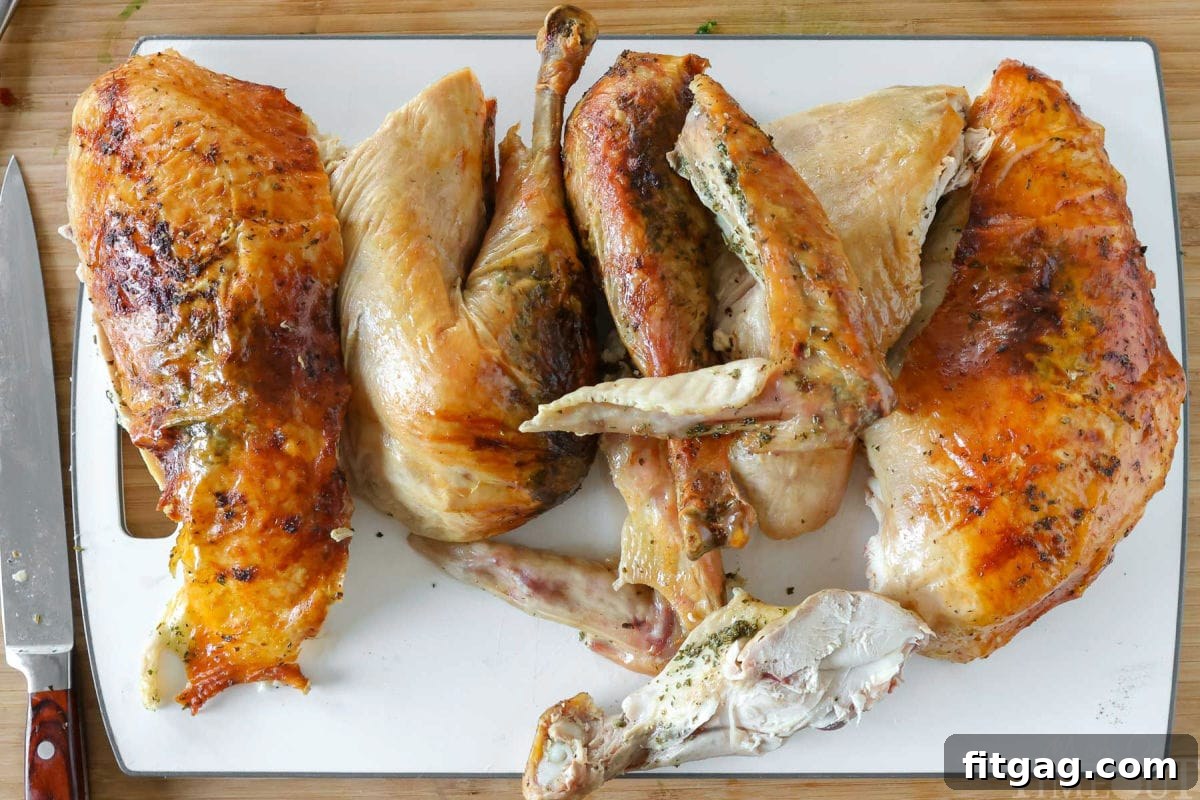
Presenting Your Thanksgiving Turkey
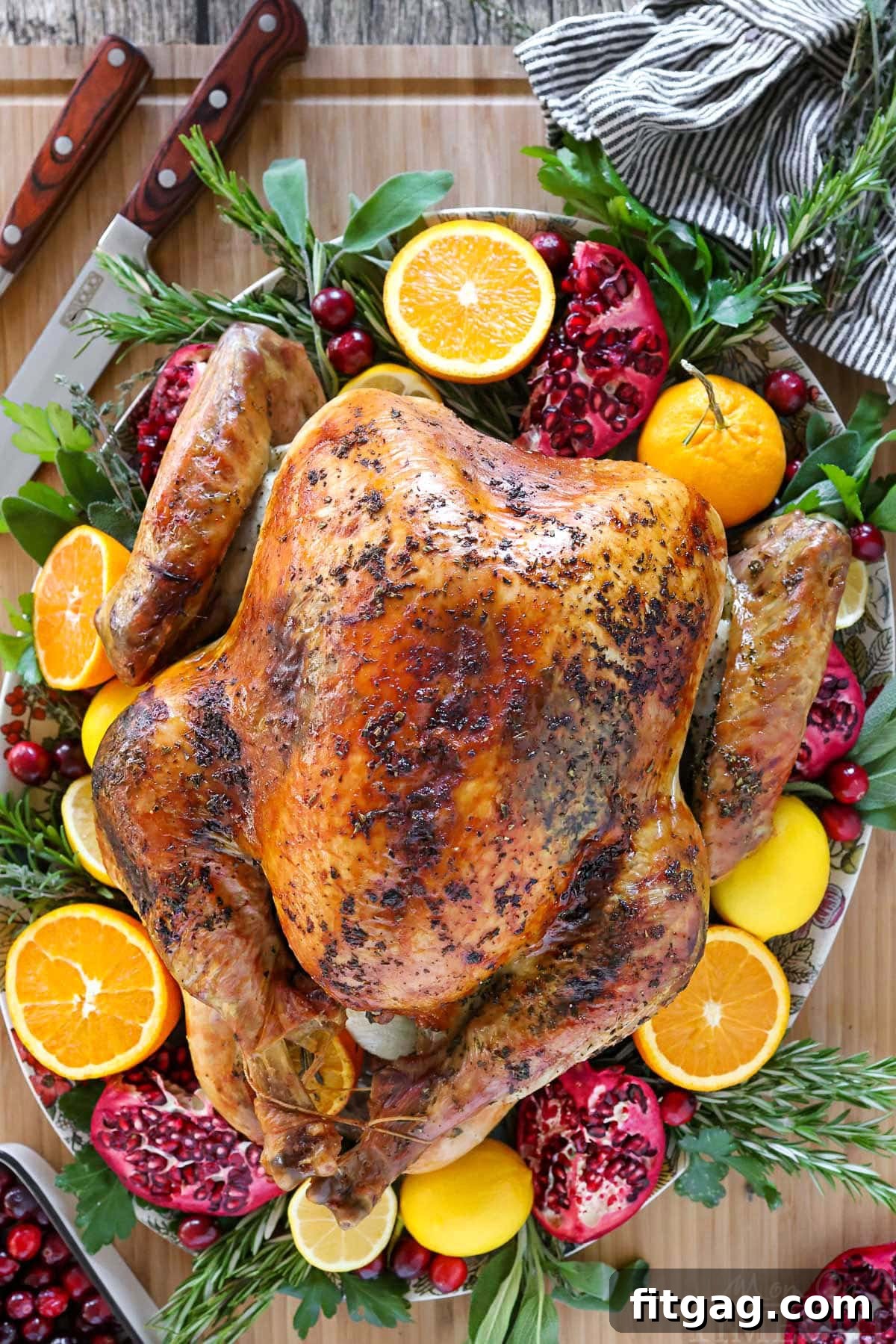
Once carved, artfully arrange all the beautiful turkey pieces – breasts, thighs, and drumsticks – on a large, elegant serving platter. Garnish generously with fresh herbs like rosemary and thyme sprigs, vibrant citrus slices (oranges, lemons), glistening pomegranates, and bright cranberries to enhance its festive appeal. Now, step back and admire your culinary masterpiece before it’s time to enjoy the fruits of your labor!
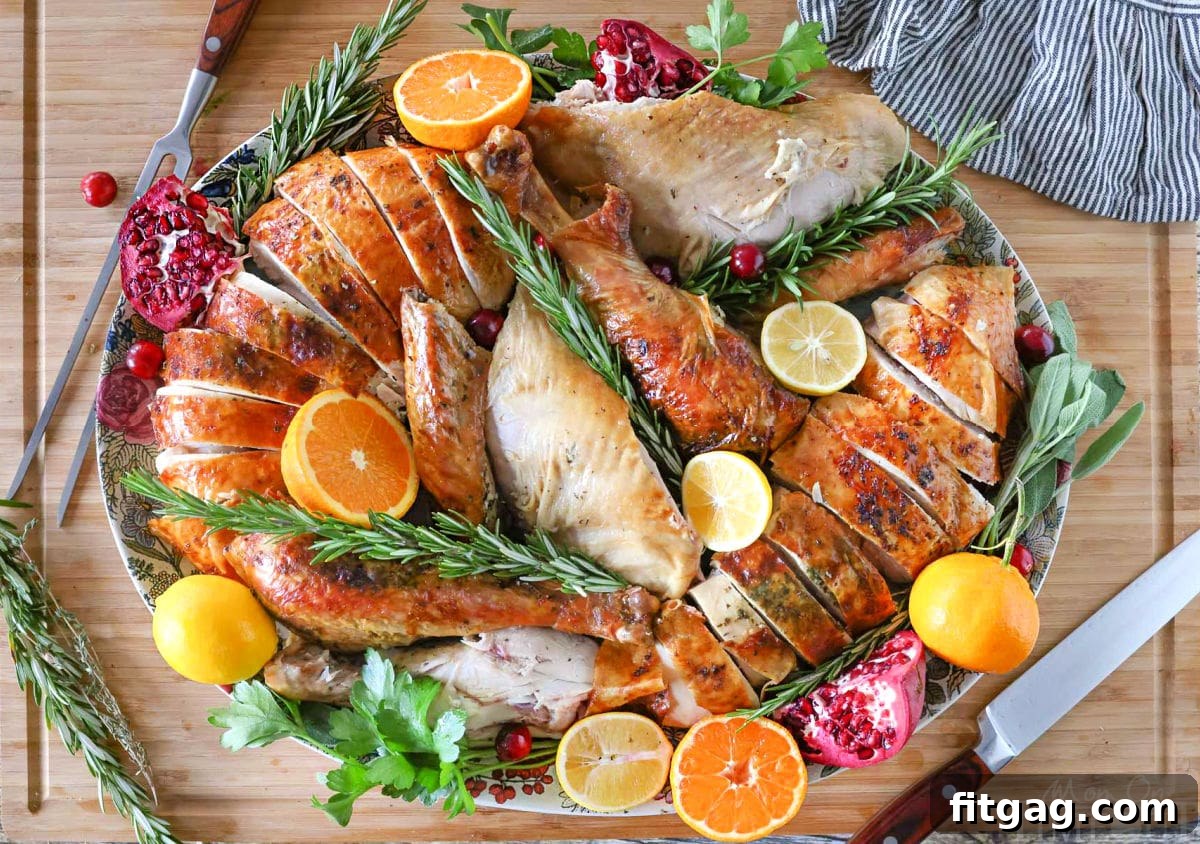
Storing Leftover Turkey and Creative Uses
One of the many joys of a holiday feast is the delicious array of turkey leftovers! Beyond simply reheating, leftover turkey offers incredible versatility for creating new and exciting meals. Proper storage is key to enjoying these culinary treasures later on. Here’s how to store your cooked turkey to ensure it stays fresh and flavorful for repurposing into dishes like our popular Turkey Pot Pie, sandwiches, soups, and more.
- Refrigerator Storage: Once your roast turkey has cooled completely to room temperature (within two hours of cooking), carve it off the bone and store the meat in an airtight container. Alternatively, tightly wrap individual portions in plastic wrap or heavy-duty aluminum foil. Stored correctly, leftover turkey will remain fresh and safe to eat in the refrigerator for 3 to 4 days.
- Freezer Storage: For longer-term preservation, the freezer is your best friend. Portion the cooked turkey meat into smaller, manageable servings. Place these portions in freezer-safe bags or airtight containers. It’s crucial to remove as much air as possible from bags to prevent freezer burn, which can affect both taste and texture. Leftover turkey can be safely frozen for up to 4 months. When you’re ready to use it, simply thaw it overnight in the refrigerator before incorporating it into your favorite recipes.
The Essential Guide to Thawing Your Frozen Turkey
While a fresh turkey is often the ideal choice, most turkeys available in stores are sold frozen due to ease of shipping and storage. If you’ve purchased a frozen turkey, the most critical step before roasting is ensuring it is thoroughly and safely thawed. Rushing this process can lead to uneven cooking and potential food safety issues. Always plan ahead and allow ample time for your turkey to thaw properly in the refrigerator.
The generally accepted rule of thumb for refrigerator thawing is approximately 1 day for every 5 pounds of turkey. However, through years of experience, I’ve found that this guideline can sometimes be a bit ambitious. To ensure complete thawing and account for variations in refrigerator temperatures and turkey density, I highly recommend allowing 1 full day for every 4 pounds of turkey, plus an additional buffer day. For instance, a 16-pound turkey would need at least 4 days (16/4), plus one extra day, totaling 5 days of refrigerator thawing.
Factors such as the exact temperature of your refrigerator (outside fridges, for example, tend to be colder), or how tightly packed your fridge is, can influence thawing times. Therefore, building in that extra day provides a crucial safety net. Always ensure the turkey is placed on a rimmed baking sheet or in a large pan to catch any drips as it thaws, preventing cross-contamination in your refrigerator. Once thawed, a turkey can safely remain in the refrigerator for up to 1-2 days before cooking.
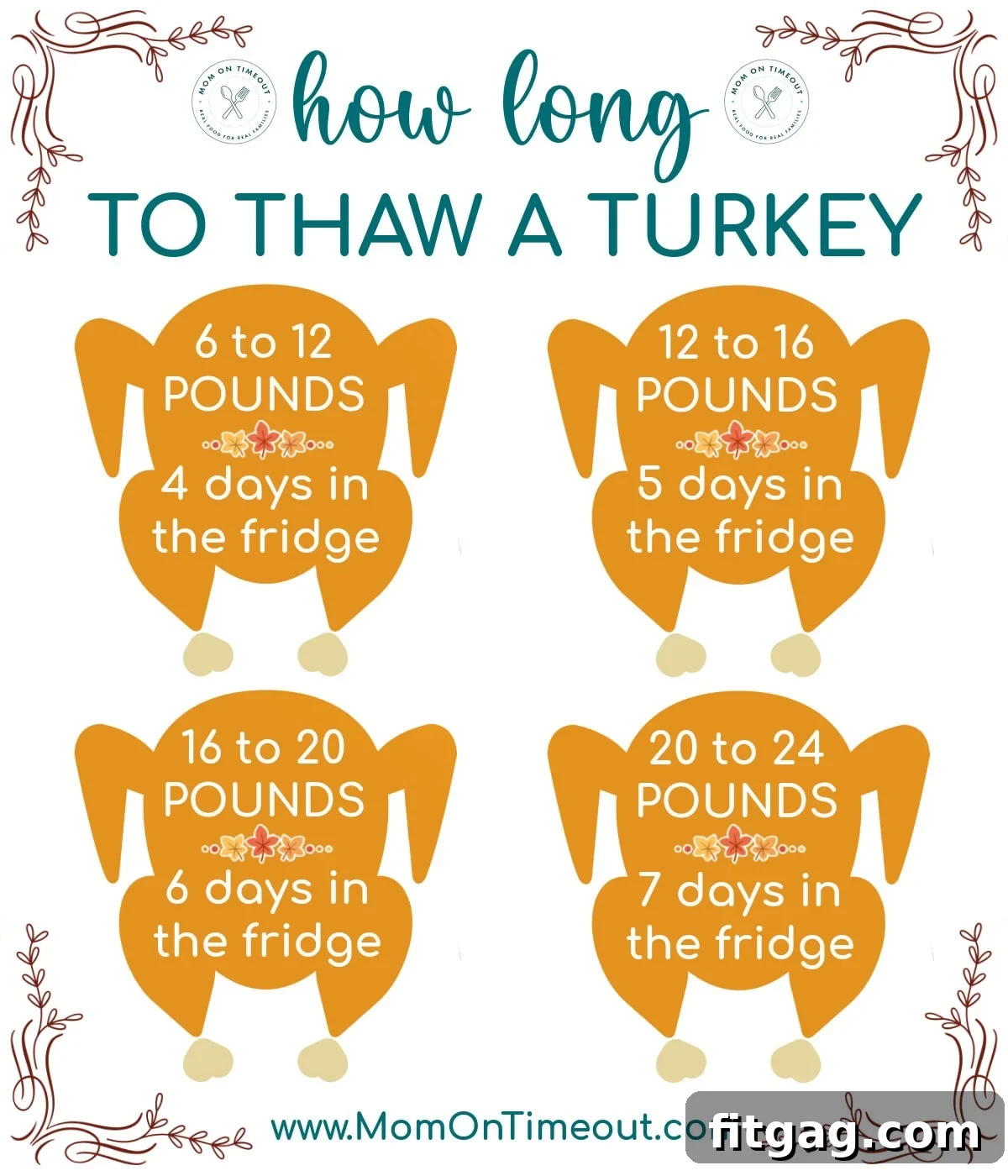
Delicious Variations to Elevate Your Turkey
While our classic Thanksgiving turkey recipe is a guaranteed winner, don’t hesitate to experiment with these delightful variations to add your own unique twist and cater to diverse tastes. Each suggestion offers a simple way to introduce new dimensions of flavor and aroma to your holiday bird:
- Bright Citrus Infusion: For an even more vibrant and refreshing flavor profile, add extra lemon and orange zest directly into the herb butter mixture. Additionally, generously stuff the turkey cavity with extra citrus halves or quarters, alongside additional sprigs of fresh herbs like thyme and rosemary. The bright, zesty notes will permeate the meat, offering a wonderful counterpoint to the rich turkey.
- Rich Roasted Garlic Butter: Elevate your compound butter by incorporating roasted garlic. Simply roast a few heads of garlic until soft and caramelized, then mash the cloves and mix them into the softened butter. Spread this savory garlic butter under and over the skin for an incredibly deep, aromatic, and slightly sweet garlicky flavor that pairs exceptionally well with the herbs.
- Sweet Maple Glaze: For a beautifully caramelized and slightly sweet finish, brush your turkey with a maple syrup glaze during the final hour of roasting. The natural sugars in the maple syrup will create a stunning, sticky-sweet crust that contrasts wonderfully with the savory meat, adding an inviting richness and shine.
- Smoky and Spicy Rub: Venture beyond traditional herbs by swapping them for a blend of aromatic spices. Consider a mix of smoked paprika, earthy cumin, fragrant coriander, and a touch of chili powder (adjusting to your preference for heat). This rub introduces a warm, slightly smoky, and subtly spicy dimension to the turkey, perfect for those who enjoy a bit of an adventurous twist.
- Bacon-Wrapped Brilliance: For an exceptionally moist breast and an undeniable boost of flavor, drape strips of high-quality bacon over the turkey breast before it goes into the oven. As the bacon cooks, its fat renders, basting the breast meat and keeping it incredibly moist. The bacon itself will crisp up beautifully, adding a delicious textural contrast and a smoky, salty punch.
- Apple Cider Brine (Overnight): For an extra layer of moisture and subtle sweetness, consider a quick overnight brine in apple cider infused with warm spices like cinnamon sticks, whole cloves, and star anise. While this recipe is designed to bypass brining, a short, flavorful apple cider soak can enhance the juiciness and introduce a delightful hint of autumnal sweetness.
- Garlic Lover’s Delight: For a robust garlic flavor and intoxicating aroma that fills your kitchen, add half to a full head of garlic (cut horizontally to expose cloves) directly into the turkey’s cavity along with the other aromatics. As it roasts, the garlic will soften and infuse the turkey with its signature pungent yet sweet notes.
Frequently Asked Questions for Roasting Turkey
Do I need to baste the turkey, and how often?
Basting is an optional step, but it is highly recommended for achieving an exceptionally moist turkey with a beautiful, even golden-brown skin. Baste your turkey once every hour with the flavorful pan juices accumulated in the roasting pan, or use extra chicken or turkey stock. When basting, work quickly to minimize how long the oven door is open, as prolonged exposure to cooler air can significantly drop the oven temperature and extend cooking time.
What should I do if my turkey skin is browning too quickly?
If you notice the turkey skin reaching your desired level of golden brown before the internal temperature indicates it’s fully cooked, don’t worry! Simply create a loose “tent” with aluminum foil over the entire turkey. This protective layer will prevent further browning and crisping of the skin while allowing the turkey to continue cooking through to the safe internal temperature without burning the exterior.
Can I prepare the turkey the night before Thanksgiving?
Absolutely, and this is a fantastic time-saving strategy for busy holiday mornings! You can perform several prep steps the night before. Season the turkey thoroughly, then meticulously spread the compound herb butter both under and over the skin. Once prepared, cover the turkey loosely with plastic wrap or foil and refrigerate it overnight. On Thanksgiving morning, remove the turkey from the refrigerator about an hour before you plan to roast it, allowing it to come closer to room temperature for more even cooking.
Is adding chicken stock or apple cider to the roasting pan truly necessary?
While you technically *could* roast a turkey without liquid in the pan, it is highly advisable to include it, and here’s why this step is a genuine win-win. The combination of chicken stock (or turkey stock/broth) and apple cider in the roasting pan serves several crucial purposes: it prevents the flavorful drippings and the aromatics you’ve placed in the pan from burning, creates a steamy, moist environment around the turkey that aids in keeping the meat juicy, and contributes a wonderful depth of flavor and aroma to the entire cooking process. If apple cider isn’t available, simply use additional chicken or turkey stock/broth for excellent results.
How much turkey should I plan per person?
A widely accepted rule of thumb for planning your holiday feast is to calculate 1.5 pounds of uncooked turkey per person. This generous estimate allows for a healthy serving for each guest, plus some coveted leftovers. Adjust this amount slightly based on your specific guest list: if you have many children or lighter eaters, you might aim for closer to 1 pound per person. Conversely, if your guests are big eaters or if you specifically desire ample leftovers for post-holiday meals, lean towards 2 pounds per person.
Can I use dried herbs instead of fresh herbs in this recipe?
While fresh herbs are always recommended for their vibrant flavor and aroma, you can certainly substitute dried herbs if fresh ones are unavailable. As a general conversion rule, use 1 teaspoon of dried herbs for every tablespoon of fresh herbs. Keep in mind that dried herbs have a more concentrated flavor, so adjust quantities cautiously and taste your herb butter mixture before applying.
I don’t have a proper roasting pan. What are my alternatives?
No dedicated roasting pan? No problem! Don’t let that deter you from preparing a magnificent turkey. You have a couple of excellent alternatives:
- Large Deep Dish Oven-Safe Pan: A large, sturdy oven-safe baking dish or casserole dish that is deep enough to comfortably accommodate your turkey and some liquid will work perfectly.
- Disposable Aluminum Roasting Pan: These are readily available at most grocery stores, especially during the holiday season, and offer a convenient, no-fuss cleanup option.
Regardless of your chosen pan, the key is to elevate the turkey slightly so it’s not sitting directly on the bottom. You can achieve this by creating a makeshift rack using large chunks of carrots, celery, and onions. These vegetables not only lift the turkey but also add wonderful flavor to the pan drippings.
Why do my turkeys always turn out dry?
The most common culprit for a dry turkey is overcooking. The absolute best way to ensure a juicy, perfectly cooked turkey every single time is to use a reliable meat thermometer. It’s truly a critical tool for success. I highly recommend using a thermometer with a probe that you can insert into the thickest part of the thigh right before roasting. This type of thermometer allows you to monitor the internal temperature without constantly opening the oven door, giving you precise readings and signaling exactly when your turkey is ready. Stop guessing and let the thermometer guide you to perfection!
Expert Tips for a Flawless Roast Turkey
Achieving a truly spectacular roast turkey involves a few key techniques and a little attention to detail. These expert tips will help you navigate the roasting process with confidence, ensuring your bird is not just cooked, but cooked to perfection every single time:
- Thoroughly Pat Dry for Crispy Skin: Before you even think about applying that delicious herb butter, ensure your turkey is meticulously patted dry with paper towels. Removing excess moisture from the skin is absolutely crucial. A dry surface allows the butter to adhere better and, more importantly, facilitates a beautiful, uniformly crispy and golden-brown skin in the oven.
- Prioritize the Resting Period: This is arguably one of the most vital steps for a juicy turkey. After removing your roasted bird from the oven, resist the urge to carve immediately. Instead, loosely tent it with aluminum foil and let it rest for a generous 20 to 30 minutes (or even longer for larger birds). This resting time allows the internal temperature to continue to rise slightly (carryover cooking) and, crucially, permits the meat’s natural juices to redistribute throughout the turkey, resulting in incredibly tender and moist slices when carved.
- Utilize Those Flavorful Drippings: Don’t let a single drop of those precious pan drippings go to waste! These golden liquids, infused with the rich flavors of turkey, herbs, and aromatics, are the foundation for the most incredible homemade turkey gravy. Strain them, separate the fat, and transform them into a luscious, savory sauce. Beyond gravy, these drippings can also be saved and frozen to add unparalleled depth and flavor to soups, stews, or casseroles later on.
- Ensure Even Roasting by Rotating: If you know your oven tends to have hot spots or cooks unevenly, consider rotating the turkey once or twice during the roasting process. This simple adjustment helps ensure that all sides of the turkey cook and brown uniformly, preventing one side from being overdone while another is still pale.
Delightful Serving Suggestions for Your Holiday Feast
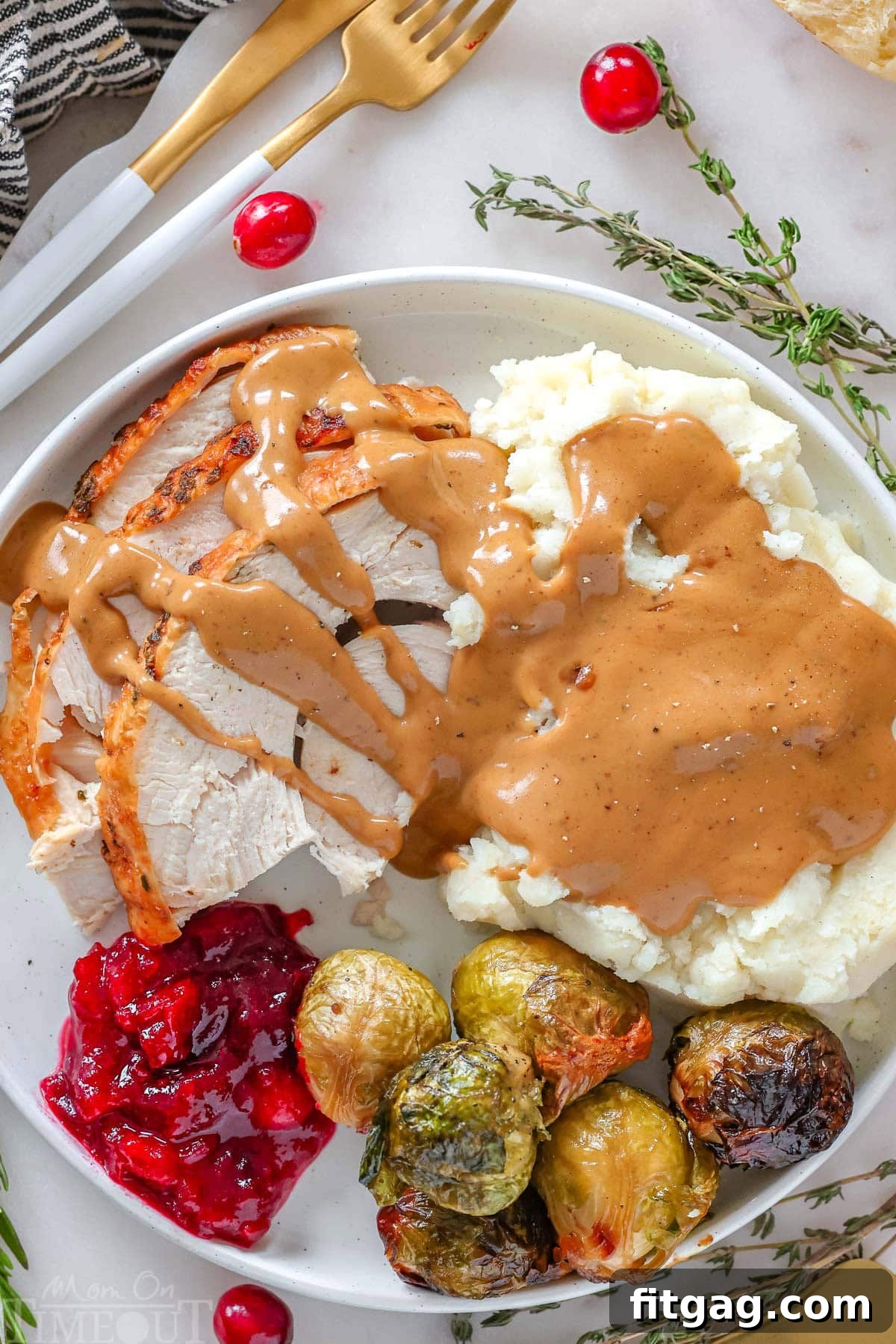
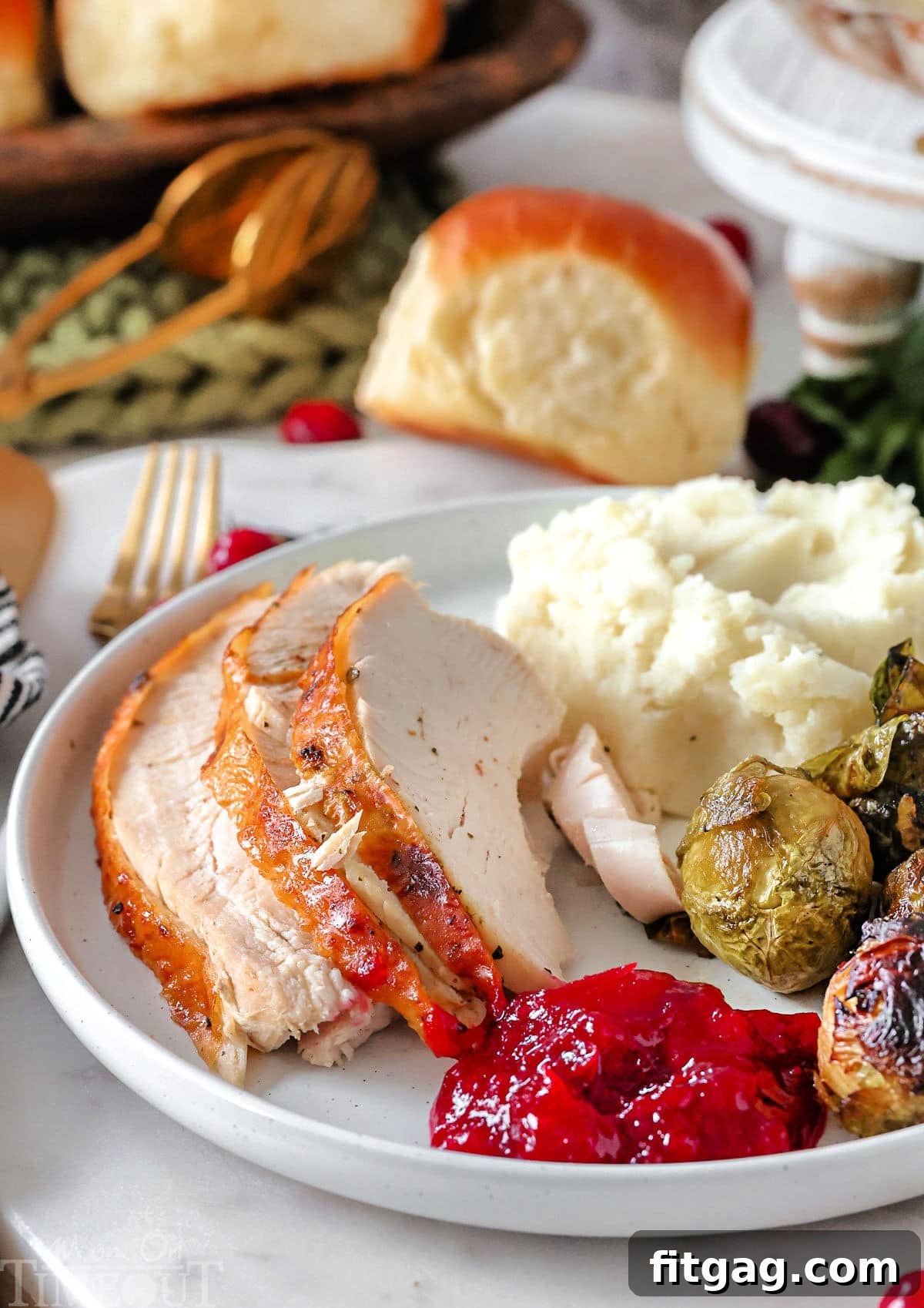
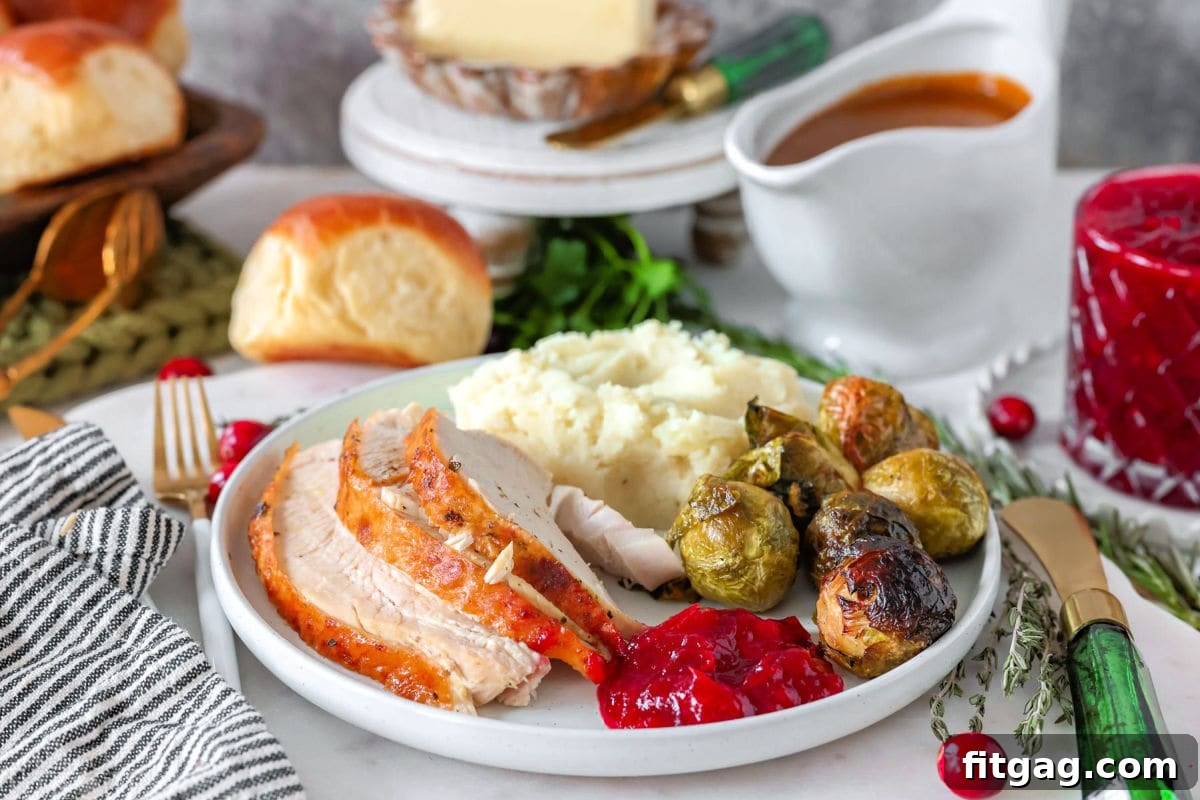
A perfectly roasted Thanksgiving turkey is undeniably the star, but no holiday feast is truly complete without an array of delectable side dishes. As your magnificent turkey roasts to perfection, let’s turn our attention to the essential accompaniments that will transform your meal into an unforgettable spread. These classic pairings complement the rich flavors of the turkey beautifully and create a balanced, satisfying holiday plate:
- Creamy Mashed Potatoes: Smooth, buttery mashed potatoes are a quintessential comfort food that pairs perfectly with turkey and gravy.
- Sweet Candied Yams: Glazed with brown sugar and spices, these tender sweet potatoes add a delightful sweetness to your plate.
- Decadent Baked Mac and Cheese: A rich and creamy classic that’s always a crowd-pleaser, providing a comforting, cheesy contrast.
- Classic Sweet Potato Casserole: Often topped with marshmallows or pecans, this sweet and savory dish is a holiday favorite.
- Fluffy Dinner Rolls: Perfect for soaking up gravy and making mini turkey sandwiches. Don’t forget the butter!
- Rich Homemade Turkey Gravy: Absolutely essential! Made from your turkey’s pan drippings, it elevates every component of the meal.
- Classic Green Bean Casserole: A comforting and savory side, typically made with cream of mushroom soup and crispy fried onions.
- Tangy Cranberry Sauce: Whether homemade or store-bought, its bright, tart flavor provides a refreshing counterpoint to the richness of the turkey and other sides.
Best Thanksgiving Turkey Recipe
Prepare the ultimate holiday centerpiece with this Best Thanksgiving Turkey Recipe. You’ll achieve incredibly juicy, flavorful, and tender meat with crispy golden skin, guaranteed to impress every guest. This comprehensive guide provides every step needed to create a memorable feast.
Equipment
- Thermometer with Probe
- Butchers Twine
- Carving Knife
- Turkey Platter
Ingredients
- 1 (14 to 20 pound) turkey, thawed
Herb Butter
- 10 tablespoons unsalted butter, softened
- 1½ tablespoons fresh parsley, finely chopped
- 1 tablespoon fresh rosemary, finely chopped
- 1 tablespoon fresh thyme, finely chopped
- ½ tablespoon fresh sage, finely chopped
- 1 teaspoon fine sea salt
- ¾ teaspoon freshly ground black pepper
Cavity and Roasting Pan
- 1 teaspoon fine sea salt
- ½ teaspoon freshly ground black pepper
- 2 large carrots, cut into 1 to 2 inch pieces
- 1 stalk celery, cut into 1 to 2 inch pieces
- 1 large onion, quartered
- 2 bay leaves
- 2 sprigs fresh thyme
- 2 sprigs fresh rosemary
- 2 sprigs fresh sage
- 4 sprigs fresh parsley
- 1 orange, quartered
- 1 lemon, halved or quartered
- 1 cup low sodium chicken stock or broth
- ½ cup apple cider
Instructions
Prep Turkey
- Remove the thawed turkey from the refrigerator one hour before roasting. (If you bought a frozen turkey, thaw in the refrigerator, allowing 24 hours for every 4 to 5 pounds of turkey.)
- Remove the turkey from its packaging. Check the cavity of the turkey and remove the giblets, neck – really anything that is in there. Also remove any thermometers, plastic pieces, etc. Feel free to save the neck and/or giblets for stock and gravy or go ahead and discard if you want. Let the turkey come to room temperature while you prepare the herb butter.
Preheat Oven
- Adjust the rack in your oven so the turkey sits in the lower third to half of the oven, depending on the size. Preheat the oven to 325°F.
Prepare Herb Butter
- Combine the softened butter, parsley, rosemary, thyme, sage, salt and pepper in a small bowl and stir until well combined. Set aside.
Stuff Cavity
- Using paper towels, pat the turkey very dry, making sure to get around the wings and legs. The turkey needs to be dry so the butter can spread easily on the skin. Season the cavity with salt and pepper.
- Loosely stuff the cavity with carrots, celery, onion quarters, fresh herb sprigs (thyme, rosemary, sage, parsley), bay leaves, orange and lemon quarters, adding just as much as will comfortably fit. You will have some leftovers of these aromatics.
Apply Herb Butter
- Working from the neck, gently lift the skin from the breasts and thighs, releasing the membrane that connects the skin. Stuff a few tablespoons of the compound butter under the skin on top of each breast and use your fingers to smooth it out. Add some butter mixture under the thigh and leg skin and anywhere else you can reach.
- Slather the remaining butter mixture all over the exterior of the turkey.
- Loosely tie the legs together with butcher’s twine and tuck the wing tips under the body of the turkey. Transfer the turkey to the rack of your roasting pan (if using).
- Add chicken stock (or water) and apple cider to the roasting pan beneath the rack.
Roast Turkey
- Place the turkey in the preheated oven and roast until a thermometer inserted at least two inches in between the thigh and the breast reads 160°F (this takes approximately 12 to 15 minutes per pound). If you choose to baste, do so once an hour with turkey stock, chicken stock, or the pan juices, working quickly to minimize heat loss.
- Check on the turkey occasionally to ensure the skin isn’t getting too dark. If it is, simply tent with foil to stop the browning. (I usually tent with foil about 90 minutes in.)
- Remove the turkey from the oven, transfer to a baking sheet, and tent with foil. Let rest for 20 to 30 minutes (at least!) before carving. (Carryover cooking will cause the internal temperature to reach 165°F.) Serve immediately.
- Make sure to reserve any drippings and pan juices to make turkey gravy.
Video
A video guide demonstrating the steps for roasting the perfect Thanksgiving Turkey will be embedded here.
Notes
Storage Information
- Refrigerator: Once the turkey has cooled to room temperature, store it in an airtight container or tightly wrap it in plastic wrap or foil. Leftover turkey will stay fresh in the refrigerator for 3-4 days.
- Freezer: For longer storage, freeze turkey in freezer-safe bags or containers. Be sure to remove as much air as possible to prevent freezer burn. Leftover turkey can be frozen for up to 4 months. It’s a good idea to portion it out into smaller servings for easier use later. Thaw overnight in the refrigerator before using.
For more detailed information regarding thawing, carving, frequently asked questions, and expert tips, please refer to the comprehensive guide above.
Nutrition Information
Calories: 673 kcal | Carbohydrates: 5g | Protein: 88g | Fat: 32g | Saturated Fat: 12g | Polyunsaturated Fat: 6g | Monounsaturated Fat: 10g | Trans Fat: 1g | Cholesterol: 315mg | Sodium: 858mg | Potassium: 1014mg | Fiber: 1g | Sugar: 2g | Vitamin A: 2655IU | Vitamin C: 6mg | Calcium: 67mg | Iron: 4mg