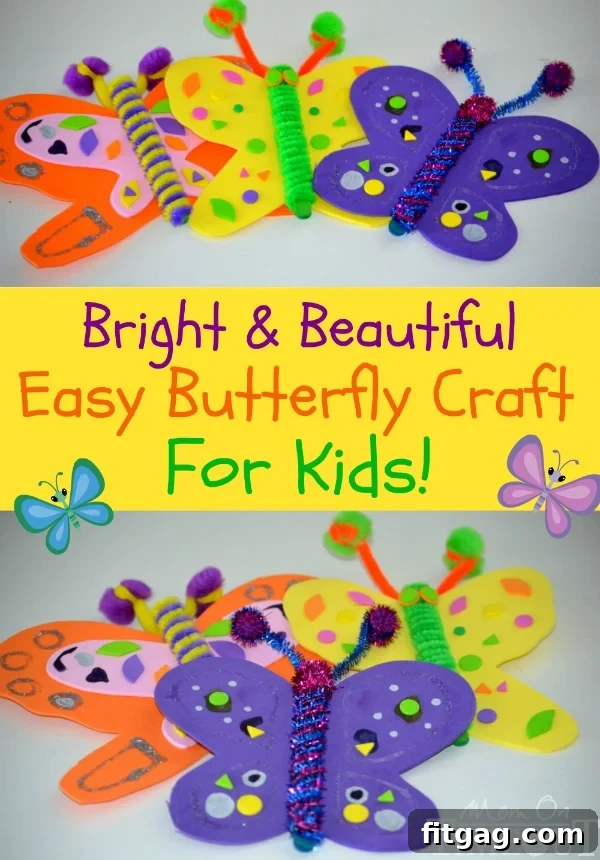
Easy & Fun Butterfly Craft for Kids: Unleash Creativity with Everyday Supplies
Transform simple materials into vibrant, fluttering works of art with this incredibly fun and easy DIY butterfly craft! Perfect for kids of all ages, this project utilizes items you likely already have around the house, making it a spontaneous and delightful activity for a rainy afternoon or any creative impulse.
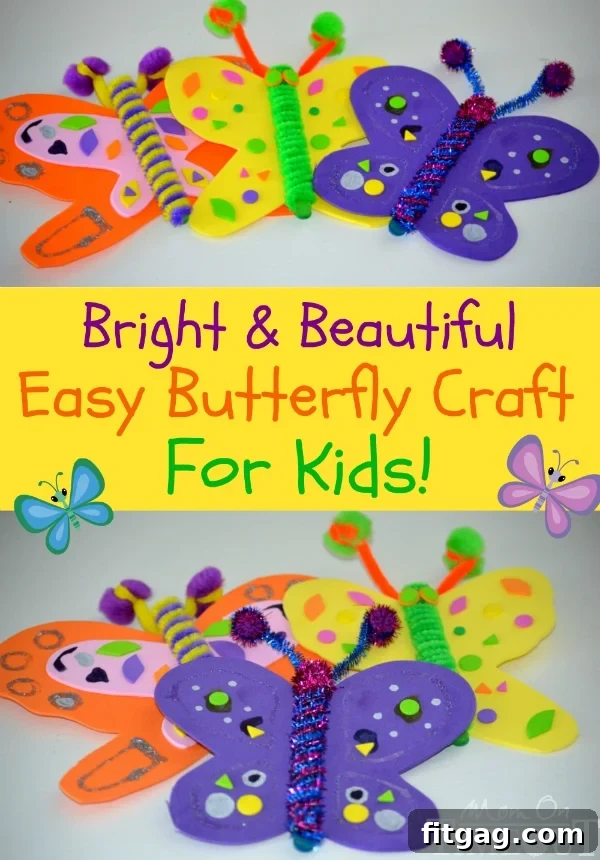
Are you looking for an engaging and brightly colored craft to enjoy with your children? Look no further! Today, we’re diving into the delightful world of butterfly making. This craft is not only remarkably simple, but it also provides an excellent opportunity for kids to express their creativity, develop fine motor skills, and learn about colors and shapes. The best part? You’ll probably find all the necessary supplies right in your craft bin or kitchen drawer.
One word of caution: this project is wonderfully addictive! As soon as you complete your first charming butterfly, new ideas will undoubtedly begin to flutter into your mind. Because these winged wonders are so quick and easy to assemble, you’ll find yourself thinking, “Why not make another?” Then comes the third, the fourth, and before you know it, you’ll have a whole kaleidoscope of colorful butterflies adorning your home. It’s a fantastic way to spend quality time together, fostering imagination and creating lasting memories.
Gather Your Crafting Essentials: What You’ll Need
Before we embark on our creative journey, let’s ensure we have all our materials laid out. The beauty of this butterfly craft lies in its simplicity and accessibility. Most items are inexpensive and readily available at craft stores, dollar stores, or even in your existing supply stash.
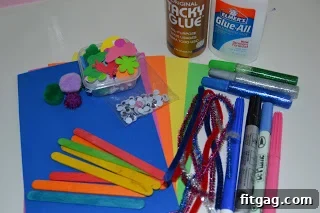
Core Supplies:
- Foam Sheets: These flexible, colorful sheets are perfect for creating sturdy yet pliable butterfly wings. They come in a vast array of colors and are easy for little hands to cut. Consider a variety of bright hues to make your butterflies truly stand out.
- Craft Glue: A good quality craft glue that dries clear and holds well is essential. White school glue works perfectly, but a quick-drying tacky glue can also be a great choice, especially for eager young crafters who want to see results faster.
- Popsicle Sticks (Craft Sticks): These form the body of our butterflies. They are durable, easy to handle, and provide a stable base for the wings and antennae. You can use natural wooden sticks or colored ones for extra flair.
- Pipe Cleaners (Chenille Stems): Versatile and colorful, pipe cleaners are used for wrapping the butterfly’s body and creating whimsical antennae. Stock up on various colors and even glittery ones to add sparkle.
- Pom-Poms: Soft and fluffy, pom-poms are ideal for decorating and adding a playful touch to the antennae tips. They come in many sizes and colors, offering endless possibilities for personalization.
Optional Embellishments (Unleash Your Creativity!):
While the core supplies are enough to create charming butterflies, these optional items can elevate your craft to a new level, allowing for unique artistic expressions.
- Pens/Markers: For drawing patterns, details, or even writing names on the wings. Fabric markers can also work well on foam.
- Glitter Glue: A fantastic way to add sparkle and shimmering details to the wings. Kids adore glitter, and glitter glue offers a less messy alternative to loose glitter.
- Foam Stickers: Easy to peel and stick, foam stickers come in various shapes and designs, perfect for adding instant decorations without the need for additional glue.
- Googly Eyes: For giving your butterflies a fun, animated personality. These instantly bring any creation to life and are always a hit with kids.
- Other Ideas: Don’t limit yourself! Consider sequins, small buttons, beads, fabric scraps, or even cut-out shapes from other foam sheets to decorate your butterfly wings. The goal is to encourage exploration and personal touches.
Step-by-Step Guide: How to Create Your Beautiful Butterflies
Now that we have all our supplies ready, let’s get crafting! Follow these simple steps to bring your colorful butterflies to life. Remember, there’s no right or wrong way to be creative, so encourage your child to experiment and make each butterfly uniquely their own.
Step 1: Craft the Butterfly Body
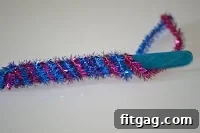
Begin by taking two pipe cleaners of your chosen colors. These will form the main body of your butterfly. Gently wrap them around a craft stick (popsicle stick). You can wrap them one at a time for a solid color effect, or for a really cool striped or swirled look, twist two different colored pipe cleaners together before wrapping them around the stick simultaneously. Ensure the pipe cleaners are wrapped snugly around the stick to create a firm, textured body. This step is great for developing fine motor skills and hand-eye coordination.
Step 2: Design and Cut the Wings
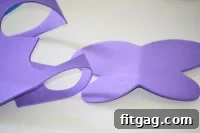
Next, select a piece of colored foam for the wings. Fold the foam sheet in half. On the folded side, draw half of a butterfly wing shape. Remember that butterflies come in an incredible variety of shapes and sizes, so this is where you can truly be creative! You can draw classic rounded wings, more angular ones, or even intricate, scalloped designs. Encourage your child to experiment with different wing patterns. Once you’re happy with the shape, carefully cut along your drawn line. When you unfold the foam, you will have a perfectly symmetrical pair of butterfly wings. For younger children, pre-drawing the wing shape or providing templates can be helpful, while older kids can draw freehand.
Step 3: Attach Wings to Body
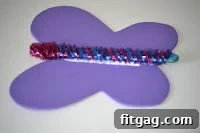
Now it’s time to bring the body and wings together. Apply a generous line of craft glue down the center fold of your foam butterfly wings. Carefully press the pipe cleaner-wrapped craft stick (your butterfly’s body) onto the glue line. Make sure it’s centered and aligned nicely. Depending on the type of glue you’re using and its drying time, you might want to place something heavy, like a book, on top of the butterfly’s body while the glue dries. This ensures a secure and lasting bond between the two pieces. Patience during this drying phase is key to a robust butterfly!
Step 4: Unleash Your Creativity: Decorate Your Butterfly!
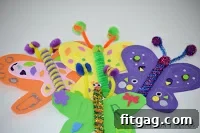
This is arguably the most exciting part – decorating your butterfly! This step is entirely up to you and your child’s imagination, and, of course, the array of decorative supplies you have on hand. Take a peek at the example images provided for some inspiration, but remember, the possibilities are limitless! You can keep it wonderfully simple by just using colorful pens or markers to draw intricate patterns, dots, or stripes on the wings. Or, you can go all out and glue pom-poms, foam stickers, sequins, or glitter glue over the entire body and wings. Googly eyes can add instant character and charm. Encourage your child to choose their favorite colors and textures, creating a butterfly that reflects their unique artistic vision. This stage is fantastic for promoting decision-making and artistic expression.
Step 5: Construct the Antennae
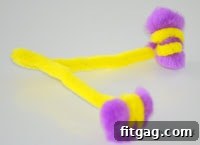
Once your butterfly is beautifully decorated, it’s time to add its distinctive antennae. Take a pipe cleaner and two small pom-poms (you can use matching colors or contrasting ones for a fun look!). Tightly wrap one end of the pipe cleaner around the center of the first pom-pom. This will create the tip of one antenna. Next, determine the desired length for your antennae, then fold the pipe cleaner at that point. Before attaching the second pom-pom, it’s a good idea to trim any excess pipe cleaner you won’t be using. Then, wrap the remaining end of the pipe cleaner around the center of the second pom-pom, mirroring the first. For example, Reece, the young crafter featured, loved using two different colored pom-poms for a vibrant effect, demonstrating that anything goes when it comes to creativity!
Step 6: Secure the Antennae
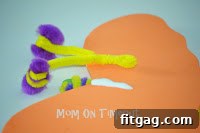
Finally, attach the finished antennae to the back of your butterfly, at the top of the craft stick body. Apply a dab of glue and carefully press the base of the antennae onto the craft stick. Again, if your child is eager to play with their new creation, you might need to use a heavy object to hold it in place while the glue dries. For a quicker fix, especially if impatience strikes, a large foam sticker or even a piece of strong tape can be used to secure the antennae to the back of the butterfly’s body. We’re all about adaptability and fun here – sometimes, getting to play with the finished craft is more important than rigid adherence to rules!
Witnessing the Magic: Reece’s Masterpiece and Beyond
It’s truly a joy to see children immerse themselves in the creative process and the pride they take in their finished work. Here is an example of what Reece, our little crafting enthusiast, came up with when given the freedom to explore his own ideas:
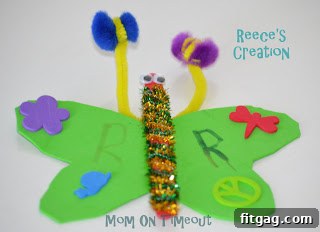
He was fully involved in every step – from the meticulous cutting of the foam wings to the precise gluing of the body and the playful wrapping of the pipe cleaners for the antennae. Reece truly did it all! His obvious pride in his creation was wonderfully apparent; he clearly marked his masterpiece with an “R” – not just once, but twice! This moment perfectly encapsulates the magic of children’s crafts: the sense of accomplishment, the boost in self-esteem, and the tangible representation of their imagination. Seeing their own ideas come to life is an invaluable experience for young learners.
Tips for a Successful Crafting Session with Kids
To make your butterfly crafting adventure as smooth and enjoyable as possible, consider these helpful tips:
- Prepare Your Space: Lay down newspaper or a craft mat to protect your surfaces from glue or glitter. Have wipes or a damp cloth handy for quick clean-ups.
- Pre-cut for Younger Children: For toddlers or preschoolers, you might want to pre-cut the foam wings or have them practice cutting on scrap paper first. This helps manage frustration and ensures they can enjoy the decorating more.
- Encourage Independence: While supervision is important, try to let children make their own choices regarding colors, designs, and placement of embellishments. Their unique vision is what makes their craft special.
- Embrace the Mess: Crafting with kids often involves a bit of mess, and that’s perfectly okay! Focus on the process and the fun rather than achieving perfection.
- Talk Through the Steps: As you go, describe what you’re doing. “Now we’re folding the foam in half to make sure our wings are symmetrical!” This helps with vocabulary development and understanding instructions.
- Display Their Art: Once the butterflies are dry, find a special place to display them. This validates their effort and boosts their confidence. You could hang them from the ceiling, attach them to curtains, or create a mobile.
The Educational Benefits of Butterfly Crafts
Beyond the sheer joy of creating, this butterfly craft offers numerous developmental benefits for children:
- Fine Motor Skills: Cutting foam, wrapping pipe cleaners, peeling stickers, and picking up pom-poms all strengthen small hand muscles and improve dexterity.
- Hand-Eye Coordination: Gluing items accurately and drawing shapes requires precise hand-eye coordination.
- Color Recognition and Matching: Choosing foam sheets, pipe cleaners, and pom-poms allows children to identify and combine different colors.
- Shape Recognition: Understanding the basic shape of a butterfly and experimenting with different wing designs introduces geometric concepts.
- Creativity and Imagination: This open-ended craft encourages children to think imaginatively, make their own design choices, and express their unique artistic flair.
- Following Instructions: Working through the step-by-step process helps children learn to follow directions and sequence tasks.
- Problem-Solving: Children might encounter small challenges, like glue not sticking immediately, and learn to adapt or ask for help, fostering basic problem-solving skills.
- Patience and Persistence: Waiting for glue to dry or meticulously decorating teaches patience and the reward of persistence.
More Butterfly Craft Ideas & Variations
Once you’ve mastered the foam and popsicle stick butterfly, why not explore other variations and themes? The basic concept can be adapted in many ways:
- Paper Butterflies: Use construction paper or cardstock instead of foam for the wings. You can decorate them with crayons, watercolors, or collage elements.
- Felt Butterflies: For a softer, more tactile experience, cut wings from felt. They can be sewn or glued and embellished with embroidery floss.
- Nature Butterflies: Collect leaves, small twigs, and petals from your garden to create nature-inspired wings, attaching them with glue.
- Fingerprint Butterflies: Use children’s fingerprints to create colorful patterns on paper wings.
- Butterfly Mobiles: Create several butterflies and hang them at different lengths from a hanger or a small twig to make a beautiful mobile for a child’s room.
- Storytelling Props: Once made, these butterflies can become characters in imaginative play, storytelling, or even simple puppet shows.
Conclusion: Let Your Creativity Take Flight!
This easy and engaging butterfly craft is more than just a simple activity; it’s an invitation for children to explore their creativity, develop crucial skills, and create something beautiful with their own hands. With minimal supplies and straightforward steps, you can transform an ordinary afternoon into a memorable crafting session filled with laughter, learning, and colorful butterflies.
So, gather your materials, call your little artists, and prepare for a delightful journey into the world of DIY butterflies. We encourage you to share your creations and any unique twists you add to this craft. Happy crafting!