Easy Homemade Pasta Sauce: Fresh From Your Garden to Your Table
Transform your abundance of fresh garden tomatoes into a rich, flavorful, and incredibly easy homemade pasta sauce. Whether you prefer the traditional art of canning or the convenience of freezing, this recipe offers a simple solution for preserving the taste of summer all year long.
The Joy of Homemade Pasta Sauce: More Than Just a Meal
There’s an undeniable satisfaction that comes from creating something delicious from scratch, especially when it involves fresh ingredients from your own garden. This year, my tomato plants have been exceptionally generous, yielding an impressive bounty of red-ripe tomatoes. Facing a mountain of fresh produce and a blank slate for how to use it, I decided it was the perfect opportunity to tackle a long-held culinary aspiration: making and preserving my own homemade pasta sauce. While the idea of canning initially seemed daunting, a little research revealed that it’s a perfectly manageable and rewarding process, opening up a world of flavorful preservation.
For those who find canning a step too far, don’t worry! This versatile sauce can just as easily be prepared and frozen in freezer-safe bags or containers, ensuring you have a taste of summer ready whenever a pasta craving strikes. This guide will walk you through both methods, making it simple to enjoy the freshest pasta sauce possible.
Demystifying Canning: A Journey from Fear to Flavor
My journey into canning began with a healthy dose of trepidation. The word “canning” itself brought to mind complex procedures, potential pitfalls, and a lingering question: why is it called canning when everything goes into glass jars? What if I invested all that time and effort, only for the sauce to taste subpar or, worse, for the canning process to fail? These concerns are common among novice canners, but I discovered that with accurate information and a systematic approach, canning is a skill anyone can master.
After diving into various resources, I quickly found answers to my questions and clarity on the methods involved. The key to successful and safe canning lies in understanding the principles of sterilization, proper sealing, and appropriate processing times. It’s a precise science, but not an overly complicated one. Once I grasped these fundamentals, my apprehension transformed into confidence, and I was eager to get started. The reward? Rows of beautifully preserved, intensely flavorful homemade pasta sauce, ready to elevate countless meals.
If canning isn’t for you right now, remember: you can still make this incredible sauce and simply freeze it! It’s a fantastic alternative that offers the same fresh taste without the canning process.
Essential Ingredients for Your Perfect Pasta Sauce
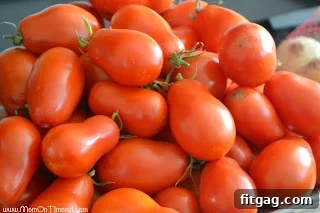
Crafting the best homemade pasta sauce starts with the freshest ingredients. This recipe yields approximately 5 pints of rich sauce, with a little extra for immediate enjoyment. Aim for ripe, firm tomatoes, ideally varieties like Roma, San Marzano, or other paste tomatoes, which have less water content and more flesh, making for a thicker sauce naturally. Quality vegetables and fresh herbs will make all the difference in the final flavor profile of your easy homemade spaghetti sauce.
Ingredients List:
- 15 lbs of tomatoes (mostly Roma recommended)
- 2 medium onions, chopped
- 1 red bell pepper, chopped
- 5 cloves of garlic, minced
- 1 Tbsp vegetable oil
- 2 Tbsp fresh basil, chopped
- 1 tsp salt
- 1/2 tsp black pepper
- 1 Tbsp sugar (helps balance acidity)
- 1 tsp dried parsley
- 1/2 tsp red pepper flakes (optional, for a hint of heat)
- 2 Tbsp dried oregano
- 2 bay leaves
- A dash of Worcestershire sauce
- 1 small can (6 oz) of tomato paste (optional; use if a thicker sauce is desired)
- 1/4 cup bottled lemon juice (essential for acidifying the sauce for safe canning)
Step-by-Step Directions to Your Delicious Homemade Pasta Sauce
Preparation Steps:
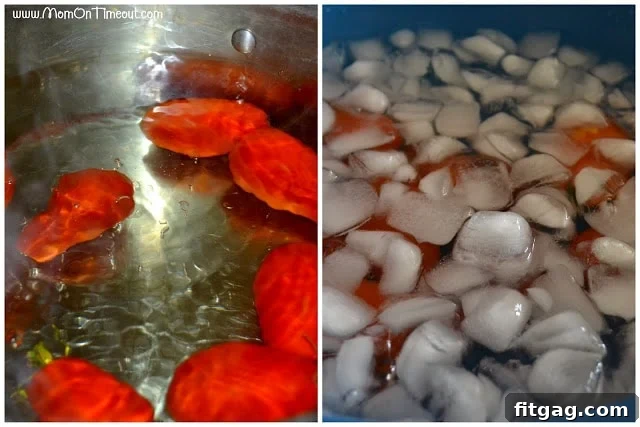
1. Blanch and Peel Tomatoes: The first crucial step for a smooth sauce is removing the tomato skins. Bring a large pot of water to a rolling boil. Simultaneously, prepare an ice bath by filling a large bowl with ice and cold water. Carefully submerge tomatoes, 5-6 at a time, into the boiling water for about 45 seconds. This quick blanching loosens the skins. Immediately transfer the blanched tomatoes to the ice bath to stop the cooking process. The skins should now slip off effortlessly; you’ll be amazed at how easily they come away!
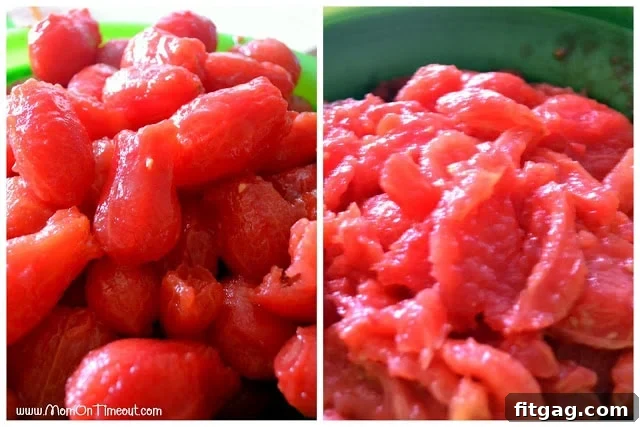
2. Deseed and Drain Tomatoes: Once peeled, it’s time to remove the seeds and excess liquid. While some prefer a more methodical approach of cutting and scraping, I found the quickest and most effective method was to simply open the tomatoes with my hands and gently shake out the seeds. After deseeding, give the tomatoes a gentle squeeze to release more juice, then place them in a colander. Allowing them to drain further in the colander helps remove additional liquid. Why reduce the juice? A thicker sauce means less cooking time, which in turn helps preserve more of the tomatoes’ natural vitamins and flavors. This smart step ensures a rich, nutrient-dense sauce.
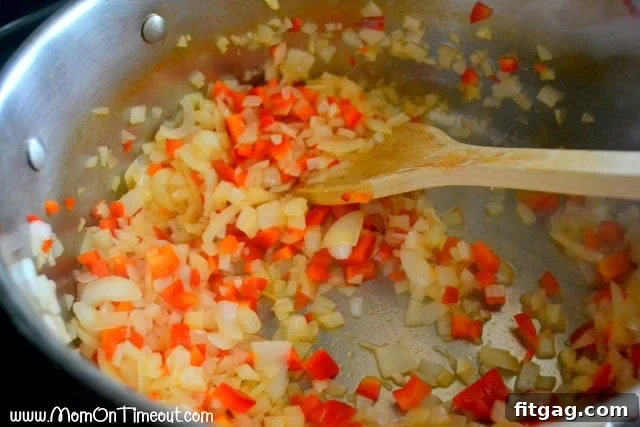
3. Sauté Aromatics: In a large, heavy-bottomed pot, heat the vegetable oil over medium heat. Add the chopped onions and bell peppers and sauté for several minutes until they become translucent and tender. This step builds the aromatic base for your sauce, infusing it with deep flavor. Next, add the minced garlic and continue to sauté for another few minutes until fragrant. Be careful not to burn the garlic, as this can turn bitter.
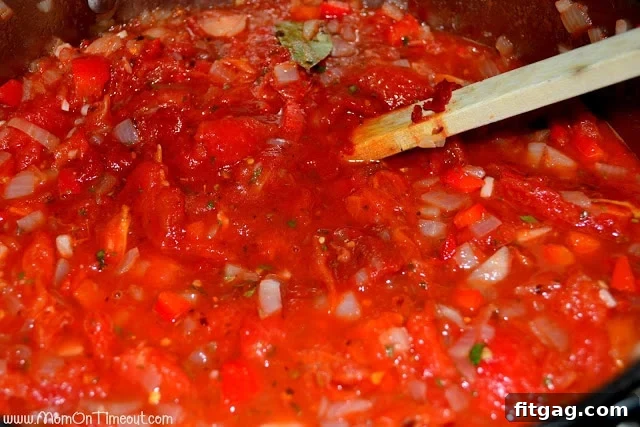
4. Simmer the Sauce to Perfection: Add the prepared tomatoes to the pot with the sautéed aromatics. Let them cook for 10-15 minutes, allowing their juices to release and mingle. Then, stir in all the remaining ingredients: fresh basil, salt, black pepper, sugar, dried parsley, red pepper flakes (if using), dried oregano, bay leaves, and a dash of Worcestershire sauce. If your sauce appears too thin, this is the time to add the small can of tomato paste for extra body and richness. Bring the mixture to a gentle simmer and cook until the sauce has reduced to your desired thickness. You can use a potato masher to help break down the tomatoes more quickly if preferred. The simmering time will vary based on your tomato type and initial liquid content; mine typically takes a little over an hour to achieve a luscious, thick consistency, creating a truly rich homemade spaghetti sauce.
Canning & Freezing Your Sauce:
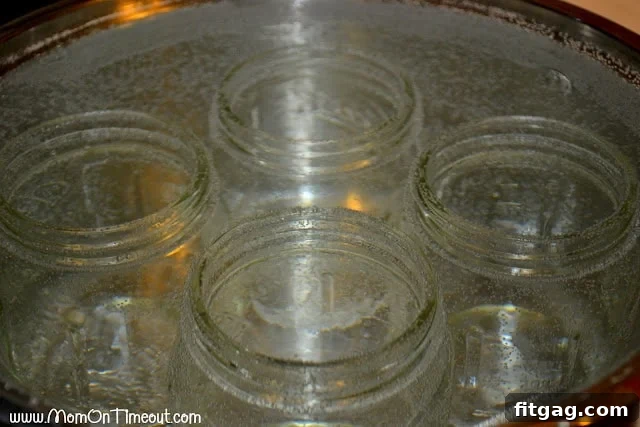
5. Sterilize Your Equipment: Before proceeding with canning, absolute sterilization of all your jars, lids, and utensils is paramount for food safety. While some rely on dishwashers, I prefer to use a boiling water bath, as seeing the water at a full boil provides reassurance that everything is properly sanitized. I utilize my canning bath for this step, ensuring all my jars are clean and hot, ready for the hot sauce and the actual canning process. This ensures your homemade pasta sauce will be safe and delicious for months to come.
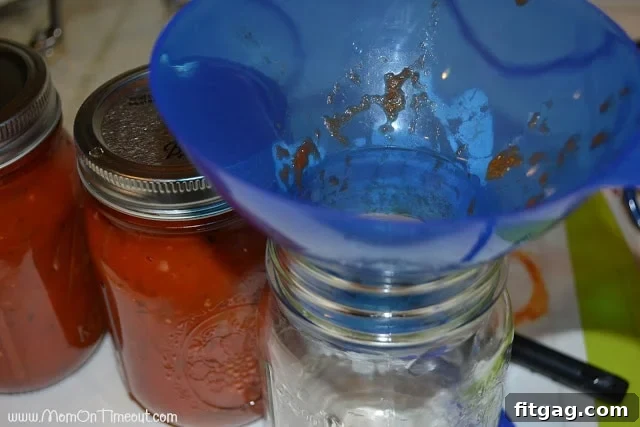
6. Fill and Prepare Jars for Canning (or Freeze): With your sterilized jars still warm/hot and your delicious sauce piping hot, set up your canning station with a funnel. A wide-mouth funnel is an indispensable tool that simplifies filling, minimizing mess and waste (trust me, you’ll appreciate anything that reduces cleanup after all those tomato skins!). Fill your jars to within 1/4 inch from the top, ensuring proper headspace for sealing. While you’re filling, ensure your canning bath is coming up to a full boil. This careful attention to detail ensures a perfect seal for your homemade pasta sauce.
Note for Freezing: If you choose to freeze your sauce instead of canning, simply let the cooked sauce cool completely. Once cool, ladle it into freezer-safe bags, removing as much air as possible before sealing, and then freeze flat for convenient storage. This method is incredibly easy and perfect for quick meal prep.
7. Process Jars in Water Bath: After filling, wipe the rim of each jar with a clean, damp towel to remove any sauce residue that could interfere with a tight seal. Place the lid on each jar and hand-tighten the screw band until just finger-tight. Carefully lower the filled jars into the canning bath, ensuring they are covered by at least 1 inch of boiling water – more is always better for even heat distribution. Bring the water back to a full, rolling boil and maintain this boil for the entire processing time. For pint-sized jars, process for 35 minutes; for quart-sized jars, process for 40 minutes. If the water stops boiling at any point, restart your timer from the beginning to ensure food safety. This critical step guarantees the preservation of your easy homemade pasta sauce.
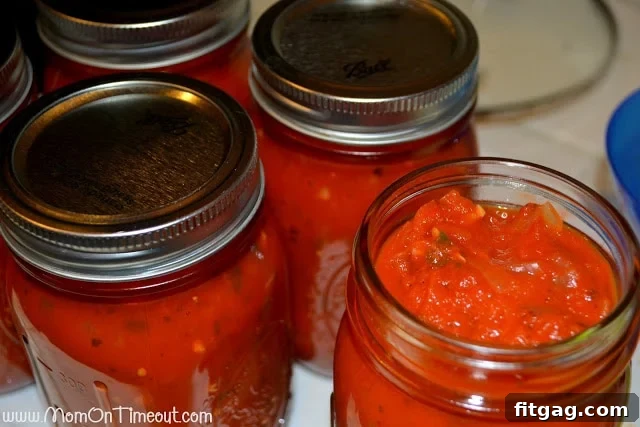
8. Cool and Check Seals: Once the processing time is complete, carefully lift the jars out of the boiling water using jar tongs and place them on a clean towel on your countertop, allowing ample space between each jar. It is imperative NOT to touch, bump, or move the jars for a full 24 hours. This undisturbed cooling period is vital for a proper seal to form. After 24 hours, you can gently remove or loosen the rings (this prevents rust and makes it easier to open later). To verify a successful seal, press lightly on the center of each lid. If the lid does not flex up and down, it has sealed correctly. If a lid pops up and down, it indicates an improper seal; immediately refrigerate that jar and consume its contents within a few days. In my experience, most jars seal perfectly, so you should have no problem enjoying your beautifully preserved homemade pasta sauce!
Homemade Pasta Sauce
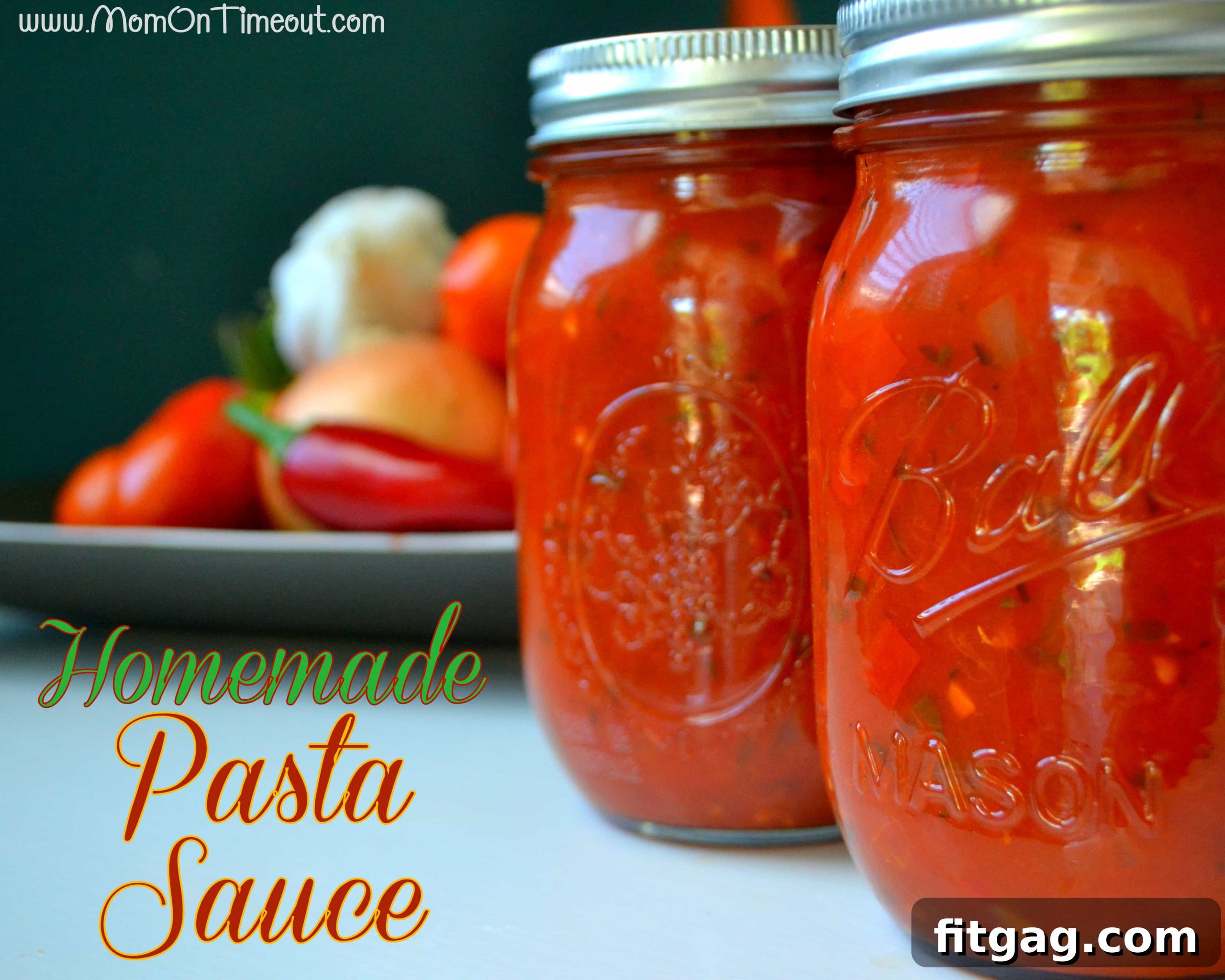
This easy homemade pasta sauce recipe is a fantastic way to utilize all those fresh vegetables from your garden! No canning required if you prefer to freeze it in freezer bags.
Ingredients
- 15 lbs tomatoes (mostly Roma)
- 2 medium onions, chopped
- 1 red bell pepper, chopped
- 5 cloves garlic, minced
- 1 Tbsp vegetable oil
- 2 Tbsp fresh basil
- 1 tsp salt
- 1/2 tsp black pepper
- 1 Tbsp sugar
- 1 tsp dried parsley
- 1/2 tsp red pepper flakes (optional)
- 2 Tbsp dried oregano
- 2 bay leaves
- 1 dash Worcestershire sauce
- 6 oz tomato paste (1 small can – optional; use if your sauce is not thick enough)
- 1/4 cup lemon juice (from a bottle; used to acidify for canning)
Instructions
- First, remove the skins. Get a pot of water boiling and prepare an ice bath (a large bowl filled with ice and water). Submerge the tomatoes (5-6 at a time) in the boiling water for about 45 seconds. Immediately remove to the ice bath. The skin can now be removed very easily.
- Next, remove the seeds and excess tomato juice. Open the tomato up with your hands and shake out the seeds. Once seeds are removed and tomatoes squeezed to get rid of juice, place them into a colander to drain further. This helps create a thicker sauce and preserves nutrients by reducing cooking time.
- Sauté the onions and peppers in the oil in a large pot for several minutes until translucent and soft. Add in the garlic and sauté for another few minutes until fragrant.
- Add the prepared tomatoes and let them cook for 10-15 minutes before adding all the other ingredients. Stir to combine and let simmer until the sauce has cooked down to your desired thickness. A potato masher can be used to speed up the breakdown of tomatoes.
- Before canning, sterilize every utensil, jar, and lid. This can be done by boiling them in a canning bath to ensure food safety.
- Once sterilized, set up your jars and funnel. Jars and sauce should both be hot. Fill jars to within 1/4 inch from the top. If freezing, let the sauce cool, ladle into freezer bags, remove air, and freeze.
- Wipe jar tops to ensure a tight seal. Place the lid and hand-tighten the ring. Place filled jars in the canner, covered with at least 1 inch of boiling water. Process pint jars for 35 minutes and quart jars for 40 minutes at a rolling boil. If the boil stops, restart the timer.
- When time is up, lift jars out with tongs and let them cool undisturbed for 24 hours. Do not touch or move them. After 24 hours, remove or loosen rings. Verify seals by pressing the lid center; if it doesn’t pop up and down, it’s sealed. If it pops, refrigerate and use immediately.
Nutrition
Carbohydrates: 71g |
Protein: 15g |
Fat: 6g |
Saturated Fat: 3g |
Sodium: 812mg |
Potassium: 3734mg |
Fiber: 20g |
Sugar: 46g |
Vitamin A: 12748IU |
Vitamin C: 233mg |
Calcium: 196mg |
Iron: 6mg