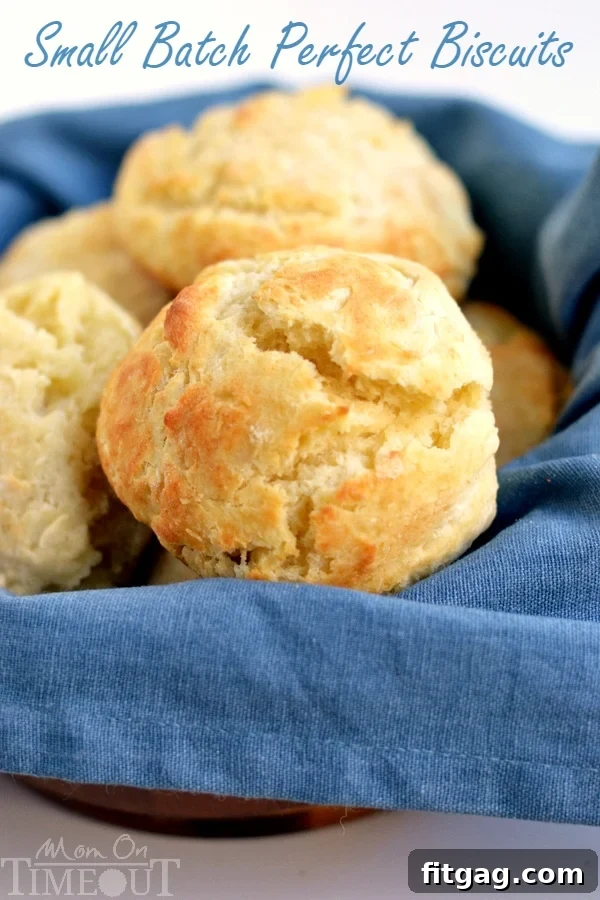
Weekends simply aren’t complete without the comforting aroma and delightful taste of a fresh batch of soft, flaky biscuits. This incredibly easy Small Batch Biscuits recipe is designed to deliver six perfectly golden, tender biscuits, and best of all, it requires no buttermilk! Achieving breakfast perfection has never been simpler. Don’t forget to complement these beauties with crispy bacon and a savory Easy Hashbrown Breakfast Casserole for an unforgettable meal.
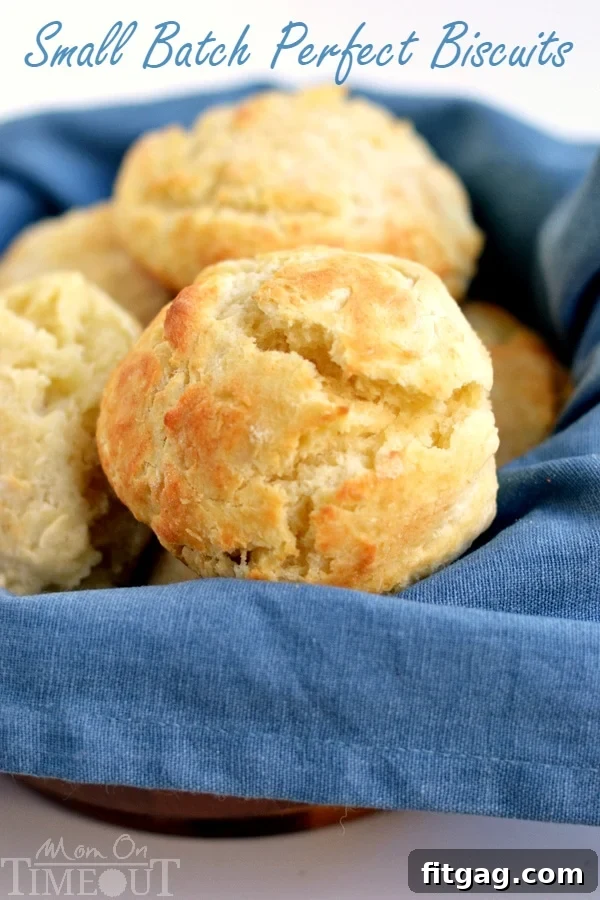
The Ultimate Small Batch Biscuits: Flaky Perfection Without Buttermilk
For years, my go-to biscuit recipe has been a fan favorite, garnering over 350,000 pins and consistently ranking as one of the most popular posts on my site. While that recipe makes a generous dozen, I’ve found that sometimes, twelve biscuits are simply more than enough for a quiet weekend morning or a small family gathering. That’s why I’m thrilled to share this adapted small batch version today, perfectly scaled to yield six exquisite biscuits – the ideal quantity for our family and perhaps yours too!
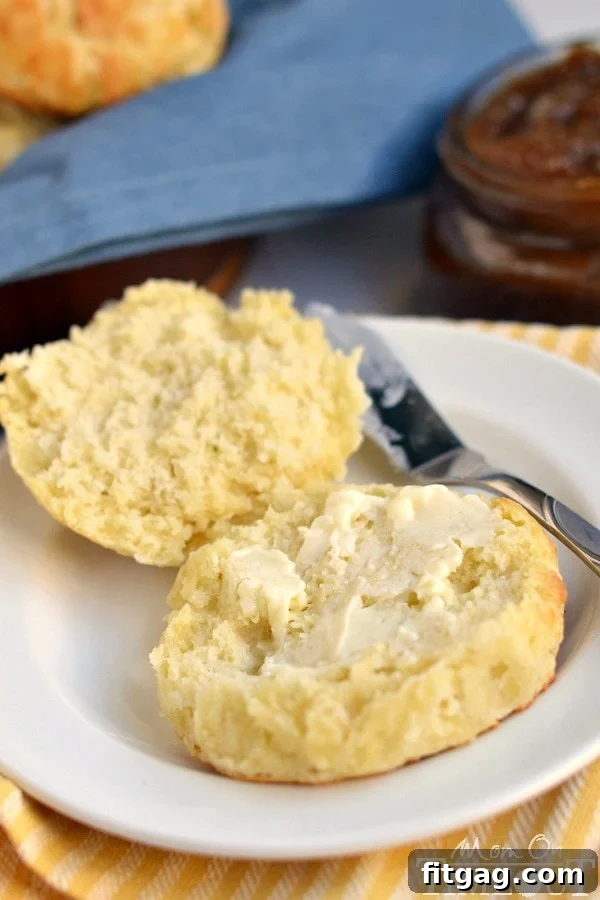
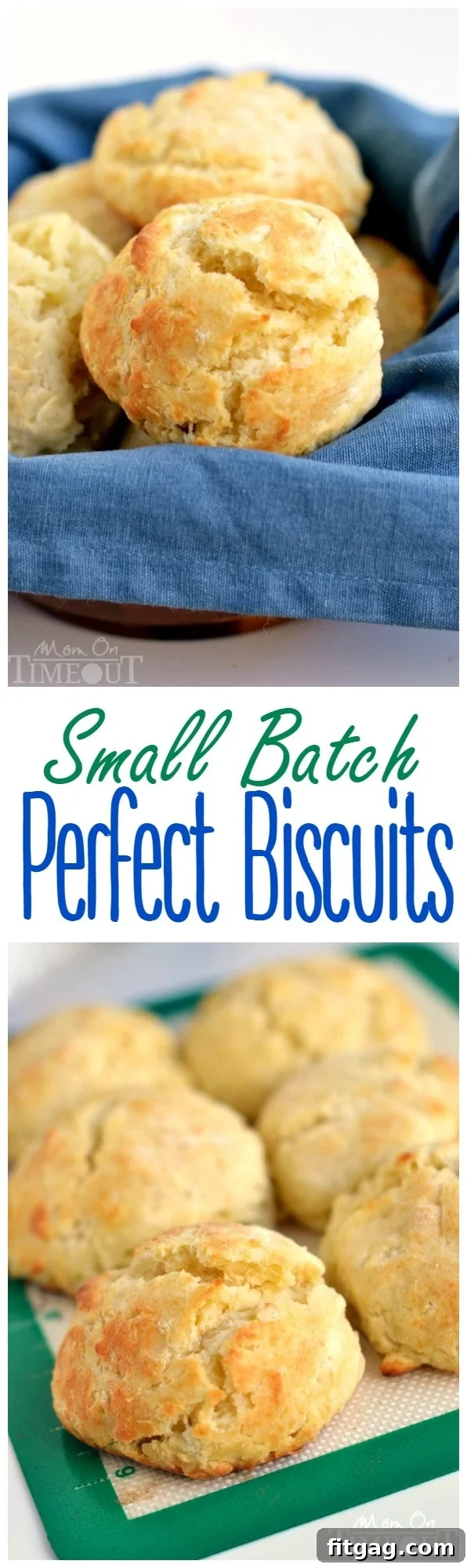
These biscuits are a testament to simplicity and taste. They are wonderfully light, rich with buttery flavor, and boast those coveted flaky layers that make homemade biscuits so irresistible. Truly, they are perfect in every bite, promising a delightful start to any day.
Why Choose Small Batch Biscuits? Convenience and Perfect Portions
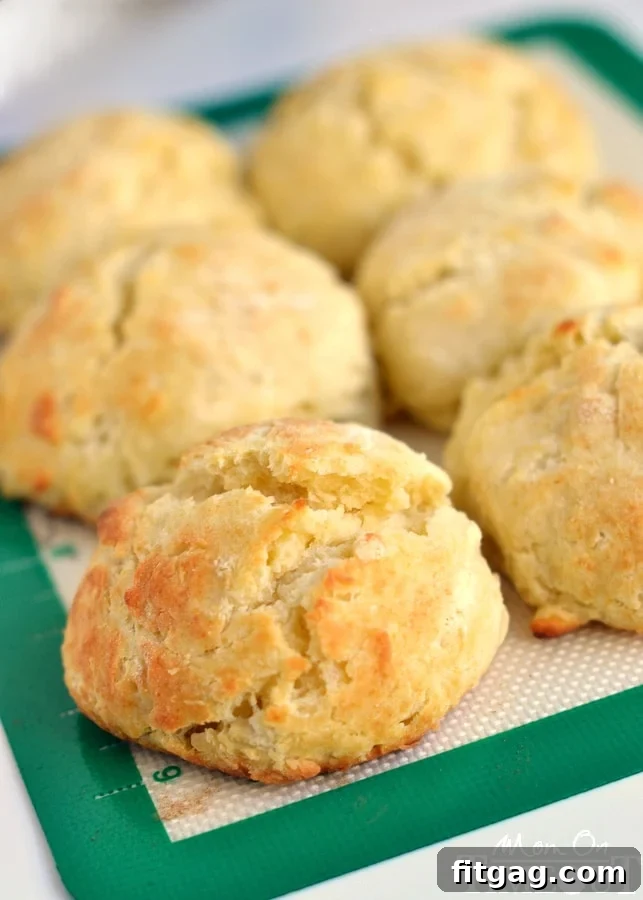
There’s an undeniable charm to freshly baked goods, and biscuits are no exception. While a large batch can be great for big brunch events, a small batch recipe offers numerous advantages for everyday enjoyment. It means less waste, fewer leftovers taking up space, and the sheer pleasure of warm, straight-from-the-oven biscuits anytime the craving strikes. For many families, six biscuits hit that sweet spot – enough for everyone to enjoy a couple without feeling overwhelmed or having stale biscuits by the next day. We often find ourselves whipping up a batch almost every weekend, and even sometimes during the week, because they’re just that easy and universally loved.
Beyond being a staple on our breakfast and brunch menus, these biscuits are incredibly versatile. Transform them into delightful biscuit sandwiches with eggs and cheese, serve them simply alongside scrambled eggs, or elevate them with a generous pour of savory sausage gravy. The possibilities are truly endless, and you really can’t go wrong with these golden delights.
No Buttermilk? No Problem! Achieving Flaky Biscuits with Regular Milk
Many traditional biscuit recipes prominently feature buttermilk, valued for its acidity that reacts with baking soda to create a superior rise and tender crumb. However, I often find myself without buttermilk on hand, and making a special trip to the grocery store just for one ingredient can be a hassle. This recipe is a game-changer because it proves you don’t need buttermilk to achieve perfectly light and flaky biscuits. It leverages readily available ingredients, making it accessible to any home baker at any time.
If you happen to have buttermilk at your disposal and prefer its distinct tangy flavor, you absolutely can substitute it for the regular milk in this recipe. Just be mindful that buttermilk tends to be a bit thicker than regular milk, so you might need to adjust the quantity slightly, adding a touch more to achieve the right dough consistency. The goal is a soft, slightly sticky dough that comes together easily. But rest assured, with regular milk, these biscuits will still rise beautifully and deliver that classic, comforting texture you crave.
Essential Ingredients for Your Small Batch Biscuit Recipe
One of the many joys of baking homemade biscuits is that they typically call for ingredients you likely already have stocked in your pantry and refrigerator. There’s no need for exotic specialty items, just simple staples that combine to create something truly magical.
- All-purpose flour: The foundation of our biscuits, providing structure. We’ll use a little extra for dusting.
- Granulated sugar: A small amount adds just enough sweetness to balance the savory notes and aids in browning.
- Salt: Essential for enhancing all the other flavors.
- Baking powder: The primary leavening agent responsible for giving our biscuits their impressive lift and tender crumb.
- Cream of tartar: Often paired with baking soda (though not explicitly called for as a separate ingredient here, it’s a component of most baking powders), it adds extra leavening power and helps stabilize the dough, contributing to that desirable airy texture.
- COLD butter: This is arguably the most crucial ingredient for flaky biscuits. Cold butter creates steam pockets as it melts in the oven, separating the dough into distinct, delicious layers.
- Egg: (Optional, but recommended for tenderness) A lightly beaten egg adds richness, moisture, and helps bind the dough. My brother and sister often omit it, and their biscuits are still fantastic, so feel free to experiment!
- Milk: Our liquid component, bringing the dough together without the need for buttermilk.
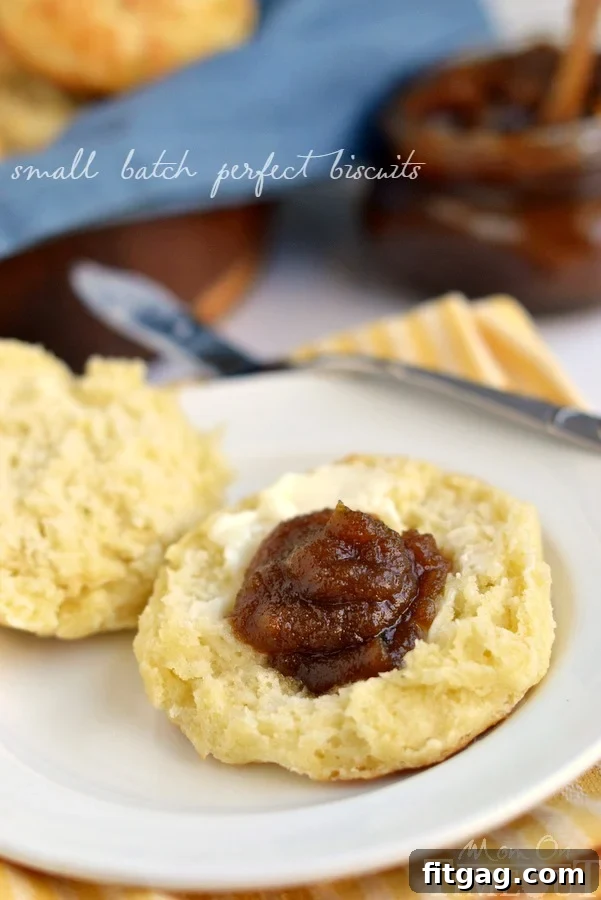
These biscuits are perfect when served warm with a pat of butter and a dollop of homemade jelly or a spoonful of luscious pumpkin butter. It’s a breakfast treat that truly elevates any morning, and definitely one you don’t want to miss out on.
Mastering the Art of Biscuit Making: Tips & Tricks for Flaky Success
While this recipe is straightforward, a few key techniques can elevate your biscuit game from good to extraordinary. Paying attention to these details will ensure you achieve those coveted tall, flaky layers and a tender, buttery crumb every single time. I’ve compiled a ton of tips on my original biscuit post, but here are some of the most critical ones you definitely shouldn’t miss:
- Embrace the Cold Butter: This is perhaps the most important rule for flaky biscuits. Ensure your butter is as cold as possible. Chilled butter won’t fully incorporate into the flour, but rather create small pockets. As these pockets melt in the hot oven, they release steam, which separates the dough into those beautiful, distinct layers.
- Grating Frozen Butter: If you don’t have a pastry cutter or prefer a quicker method, try grating frozen butter directly into your dry ingredients. This creates perfectly sized, uniform pieces of cold butter that are easily incorporated and distribute evenly throughout the flour, maximizing flakiness.
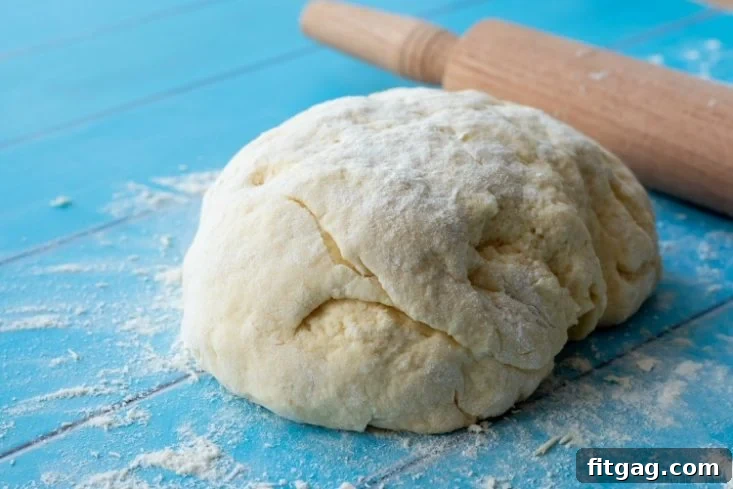
- Do Not Overwork the Dough: Overworking the dough develops the gluten too much, resulting in tough, dense biscuits instead of light and tender ones. Mix just until the dry ingredients are moistened and the dough barely comes together. It’s okay if it looks a little shaggy.
- Gentle Kneading for Layers: The 10-15 gentle kneads (or folds) mentioned in the recipe are crucial for developing layers without overworking the dough. Think of it more as folding the dough onto itself to create those internal strata. Sprinkle just enough flour to prevent sticking, but no more.
- Avoid Overbaking: Keep a close eye on your biscuits. You want them to be just golden brown on top, and slightly darker on the bottom. Overbaked biscuits will be dry and crumbly. They’ll continue to cook slightly from residual heat after coming out of the oven.
- The Melted Butter Brush: For an extra touch of deliciousness and a beautiful golden sheen, brush the tops of your hot biscuits with melted butter immediately after they come out of the oven. This adds moisture, flavor, and an irresistible gloss.
- Preheat Your Oven Properly: Ensure your oven is fully preheated to the specified temperature before placing the biscuits inside. A hot oven delivers an immediate burst of heat, which helps the butter melt quickly and create steam, leading to a better rise.
- Measure Flour Correctly: For consistent results, always spoon your flour into the measuring cup and then level it off with a straight edge. Scooping directly with the measuring cup can compact the flour, leading to too much flour and a dry dough.
Essential Tools for Your Biscuit Baking Journey
Having the right tools can make the biscuit-making process even smoother and more enjoyable. While some items are optional or have substitutes, these will help you achieve consistent, professional-looking results every time:
- A baking sheet that provides ample space for your biscuits to expand without crowding.
- A biscuit cutter ensures you get beautifully round, evenly sized biscuits, which aids in uniform baking. Avoid twisting the cutter as you press down, as this can seal the edges and prevent a full rise.
- Parchment paper is a true baking hero. It makes removing these delicate biscuits painless, prevents sticking, and ensures they come off the sheet perfectly intact, plus it makes cleanup a breeze.
- A pastry cutter is invaluable for efficiently cutting cold butter into the flour, achieving those pea-sized pieces crucial for flakiness. If you don’t have one, two knives or even a box grater for frozen butter can work as alternatives.
- A pastry brush is perfect for applying melted butter to the tops of your hot biscuits, giving them that irresistible golden finish and extra boost of flavor.
Small Batch Perfect Biscuits: The Recipe
Enjoy these tender, flaky biscuits for any meal!
Course: Breakfast
Cuisine: American
Keyword: biscuit
Prep Time: 10 minutes
Cook Time: 8 minutes
Servings: 6 biscuits
Author: Trish – Mom On Timeout
Ingredients
- 1 1/2 cups all-purpose flour
- 3 tbsp all-purpose flour (additional, for dusting)
- 5 tsp sugar
- 1/4 tsp salt
- 2 tsp baking powder
- 1/2 tsp cream of tartar
- 6 tbsp butter (cold)
- 1 egg (lightly beaten, optional for extra richness)
- 1/2 cup milk
Instructions
- Preheat your oven to 450 degrees Fahrenheit (230°C).
- In a large bowl, combine the 1 1/2 cups of all-purpose flour, sugar, salt, baking powder, and cream of tartar. Whisk them together to ensure they are well mixed.
- Using a pastry cutter, cut the cold butter into the dry ingredients until the mixture resembles coarse crumbs with some pea-sized pieces of butter remaining. If you don’t have a pastry cutter, you can use two knives or grate frozen butter directly into the flour mixture.
- In a separate small bowl, lightly beat the egg (if using) and then add the milk. Stir to combine.
- Pour the milk and egg mixture into the dry ingredients. Mix gently with a fork or your hands just until the ingredients are combined and no dry streaks of flour remain. The dough will be soft and slightly sticky, but avoid overmixing.
- Turn the dough out onto a generously floured surface (using some of the additional 3 tbsp flour). Sprinkle a little more flour on top of the dough to prevent it from sticking to your hands. Gently knead the dough 10-15 times, folding it onto itself. Add very small amounts of additional flour to your hands or the surface if necessary to prevent excessive sticking, but don’t add too much, as this can make the biscuits tough.
- Roll or pat the dough out to a thickness of approximately 3/4 to 1 inch.
- Using a biscuit cutter (or the rim of a glass), cut out six biscuits. Press straight down without twisting the cutter to ensure a good rise. Gather any scraps and gently press them together to cut out remaining biscuits if needed (handle scraps as little as possible).
- Place the cut biscuits on a lightly greased or parchment-lined baking sheet, ensuring they are slightly touching each other on the pan. This helps them rise taller and stay moist.
- Bake for 8 to 10 minutes, or until the tops are beautifully golden brown.
- For an extra touch of deliciousness, brush the tops of the hot biscuits with melted butter immediately after removing them from the oven. Serve warm and enjoy!
Nutrition Facts (per biscuit)
Calories: 268kcal | Carbohydrates: 32g | Protein: 5g | Fat: 13g | Saturated Fat: 8g | Cholesterol: 60mg | Sodium: 220mg | Potassium: 280mg | Fiber: 1g | Sugar: 5g | Vitamin A: 427IU | Calcium: 107mg | Iron: 2mg
More Breakfast Delights You’ll LOVE!
Looking for more ways to make your mornings extraordinary? Explore some of our other favorite breakfast recipes that are sure to bring joy to your table:
- Best Fluffy Buttermilk Pancakes
- Cranberry Almond Breakfast Cookies
- Easy Hash Brown Breakfast Casserole
- Lemon Blueberry Scones
- Baking Bacon: A How-To Guide to Making Perfect Bacon Every Time
Originally published November 7, 2014.

For all our delightful breakfast recipes, go HERE.
Sign up to receive emails when I post new recipes, and never miss a delicious update!
For even more great ideas, recipes, and daily inspiration, follow me on Facebook – Pinterest – Instagram – Twitter – Bloglovin’.
Have a wonderfully delicious day!