
Welcome to the ultimate guide for creating the most exquisite homemade crescent rolls you’ll ever taste! These rolls are more than just a side dish; they are a culinary experience – so buttery, incredibly flaky, and utterly delicious. Forget about store-bought alternatives; once you try this recipe, crafted with love and perfected over two decades, you’ll never look back. Using ingredients you likely already have in your pantry, these rolls are a guaranteed showstopper for any gathering, from casual family dinners to grand holiday feasts. They’ve been a cherished tradition in my family for over 25 years, a non-negotiable staple alongside other beloved recipes like The BEST Dinner Rolls or Cheesy Bacon Ranch Bread. Prepare to impress your loved ones and create new, unforgettable memories with every melt-in-your-mouth bite.

Mastering the Art of Buttery, Flaky Crescent Rolls
This crescent roll recipe holds a special place in my heart, woven into the fabric of our family traditions. I fondly recall every Christmas when my Mom would meticulously prepare these rolls, a treat my four siblings and I eagerly anticipated. She had a wonderful rhythm, timing the first warm batch to arrive at the table precisely as we sat down. Then, as that basket quickly emptied, the second batch would emerge, hot and golden from the oven, ready to replenish our plates. This ritual wasn’t just about food; it was about warmth, togetherness, and the comforting aroma of fresh bread filling our home.

These crescent rolls truly embody perfection. Each one is beautifully golden brown, offering a delicate crispness on the outside that yields to an unbelievably soft, tender interior. They literally melt in your mouth, leaving a buttery richness that is guaranteed to bring a smile to your face. I sincerely hope you embrace the joy of baking these up and sharing them with your family, not just this holiday season, but for many years to come. Who knows, perhaps they will become a cherished tradition for your family too, creating culinary memories that last a lifetime.
The Journey to Perfect Crescent Rolls: A Step-by-Step Guide
Preparing the Yeast: The Foundation of Fluffy Rolls
The journey begins with activating your yeast. In a warm bowl, dissolve the yeast in warm water. It’s crucial that the water is just the right temperature – too hot and it kills the yeast, too cold and it won’t activate properly. Aim for a temperature between 105-115°F (40-46°C), similar to bathwater. You’ll want to let it sit for about 5 minutes until it becomes beautifully foamy, indicating that the yeast is alive and ready to work its magic, giving your rolls that incredible lift and airy texture.
Mixing the Dough: Achieving the Ideal Consistency
Once your yeast is active, it’s time to incorporate the remaining ingredients. Ensure your eggs and butter are at room temperature. This is a critical step; cold ingredients can shock the yeast and prevent the dough from rising effectively, also making it harder to mix smoothly. I highly recommend using a stand mixer for this process, as it simplifies the kneading and ensures thorough mixing. However, if you don’t have one, a sturdy wooden spoon and some elbow grease will do the trick! Begin by adding about half of the all-purpose flour along with the sugar, salt, and softened butter to the yeast mixture. Mix until everything is fully incorporated and smooth. Then, gradually add the remaining flour, a little at a time. The dough will start to pull away from the sides of the bowl when you’ve added enough flour and reached the perfect consistency – it should be soft, pliable, and slightly sticky but manageable.
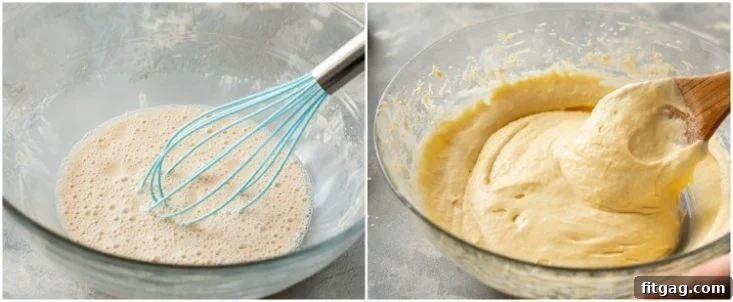
The First Rise: Developing Flavor and Texture
After mixing, gently shape the dough into a smooth ball. Place it in a lightly greased bowl, ensuring it has enough space to expand significantly. Cover the bowl tightly with a clean kitchen towel or plastic wrap. Now comes the first rise, a crucial period where the yeast ferments and the dough doubles in size, developing its rich flavor and tender texture. This process can take anywhere from one to two hours, depending on the warmth of your kitchen. A warm, draft-free spot, like a slightly warmed oven (then turned off), can accelerate the rising process. Patience here will be rewarded with incredibly light and airy rolls.
Shaping the Iconic Crescent: A Touch of Artistry
Once the dough has doubled, gently punch it down to release the air. Divide the dough in half to make it easier to handle. On a lightly floured surface, roll each half into a roughly 12-inch circle. This is where the magic begins to take shape! Melt an additional four tablespoons of butter and generously spread it evenly over each rolled-out dough circle. This extra layer of butter is key to achieving that signature flaky texture and rich flavor. Next, using a pizza wheel or a sharp knife, cut each circle into quarters, then cut each quarter into three wedges, creating 12 wedges per circle. Carefully roll up each wedge, starting from the wide end and rolling towards the pointed tip, to form the classic crescent shape. The tighter you roll, the more layers you’ll achieve.
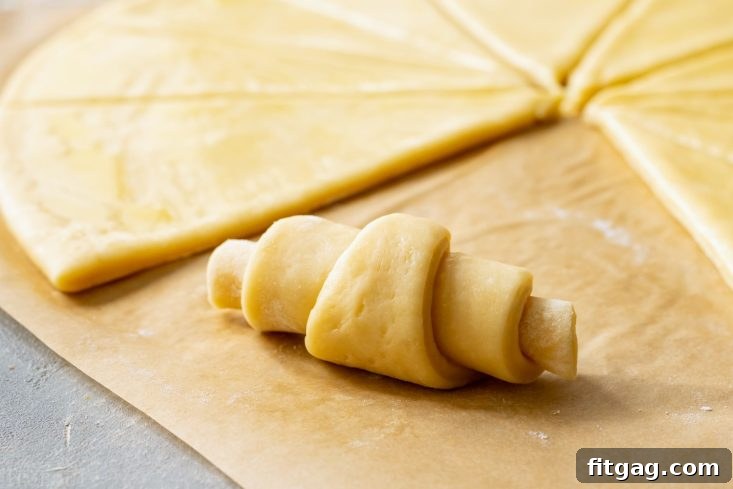
The Second Rise: The Secret to Supreme Softness
Arrange your beautifully shaped crescent rolls on a baking sheet lined with parchment paper or a silpat mat. Cover them again with a towel or plastic wrap and let them rise until they’ve doubled in size once more. This second rise is absolutely essential; it’s where the true magic happens, transforming the dough into incredibly soft, airy, and flaky rolls. Do not rush this step! If you don’t allow the rolls to rise fully, they will be denser. While still delicious, they won’t achieve that sublime, melt-in-your-mouth texture that makes these homemade crescent rolls truly exceptional.
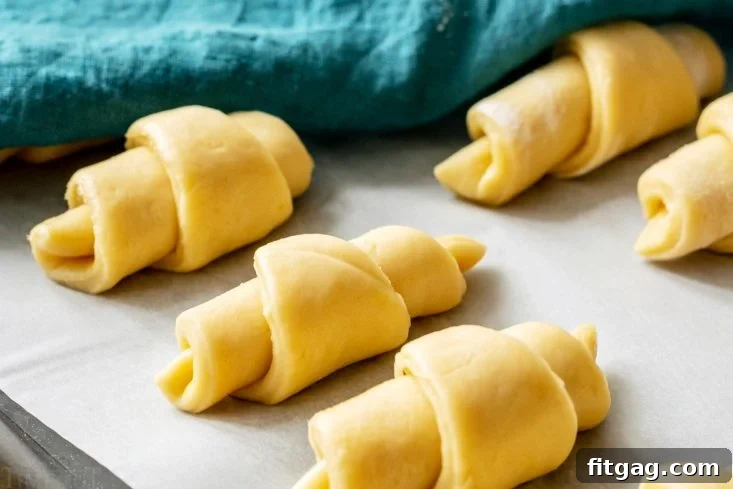
Baking to Golden Perfection: The Grand Finale
Now, the moment you’ve been waiting for: baking! Preheat your oven to 400°F (200°C). I often wait until we are literally minutes away from sitting down for a meal before placing the first batch into the oven. There’s truly nothing like the intoxicating aroma of freshly baked crescent rolls wafting through the house – it’s far more effective than any dinner bell! Place your risen rolls into the hot oven. Keep a very close eye on them, as baking times can vary slightly depending on your oven. I usually start checking at the 10-minute mark, but they can take up to 14 minutes. Be vigilant, as these rolls can transition from perfectly golden to overly dark in a matter of seconds. You’re looking for a beautiful, even golden-brown color. The rolls are nothing short of incredible when served warm and soft, straight from the oven.

The Finishing Touch: A Kiss of Butter
As soon as the crescent rolls emerge from the oven, still wonderfully warm and aromatic, brush them with a little extra melted butter. This simple step adds an irresistible sheen, enhances the rich flavor, and contributes to their ultimate tenderness. The melted butter creates a delicate crust while keeping the interior incredibly moist.
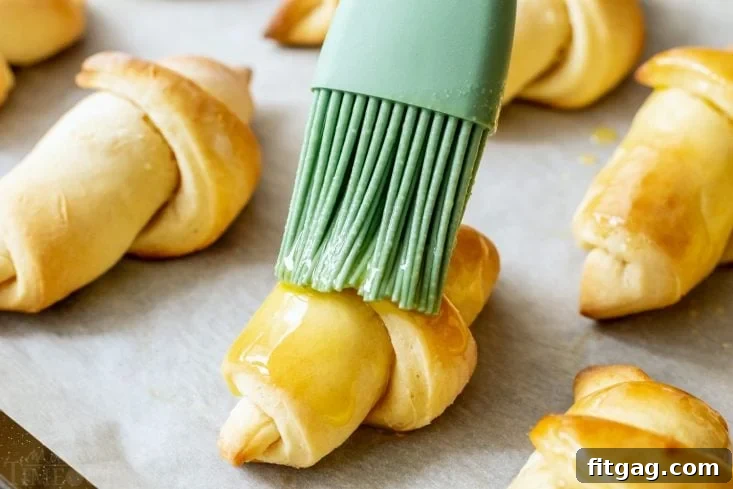
For the ultimate serving experience, my dad always insisted on a spread of various jams and jellies, alongside a generous pat of soft, warm butter. I wholeheartedly agree! There’s something truly special about tearing open a warm crescent roll and slathering it with your favorite fruit spread or more creamy butter. I truly hope you give these amazing homemade crescent rolls a try this holiday season, and indeed, every weekend after that. They are destined to become a beloved staple in your home.
Essential Tools for Baking Perfect Crescent Rolls
While dedication and a love for baking are your primary tools, having the right equipment can make the process even more enjoyable and efficient. Here’s what I recommend:
- Stand Mixer: While you can certainly make these rolls by hand, a stand mixer with a dough hook attachment is a game-changer. It takes the hard work out of kneading, ensures a consistent dough, and frees up your hands for other tasks in the kitchen.
- Pizza Wheel: For cleanly and efficiently cutting the dough into precise wedges, a pizza wheel is indispensable. It creates sharp lines without dragging the dough, making shaping much easier.
- Silpat or Parchment Paper: To prevent sticking and ensure easy cleanup, rolling out your dough on a silpat baking mat or lining your baking sheets with parchment paper is an excellent idea. This ensures your beautiful rolls don’t get stuck and slide right off the pan.
Homemade Crescent Rolls: The Full Recipe
Crescent Rolls
These Homemade Crescent Rolls are so buttery, flaky and totally delicious! Homemade crescent rolls are way better than store bought and use ingredients you probably already have on hand. I’ve been making these rolls for over 25 years and they are an absolute must for family dinners and holiday meals.
Ingredients
- 2 packages of dry yeast (or 5 tsps)
- ¾ cup warm water
- 1 tsp salt
- 1 cup butter, softened
- 3 ½ to 4 ½ cups all purpose flour
- ½ cup granulated sugar
- 2 eggs, room temperature
- 4 tbsp butter, melted (for spreading on dough)
Instructions
- Dissolve the yeast in ¾ cup warm water and let it sit until foamy, approximately 5 minutes. This confirms the yeast is active.
- In a large mixing bowl (or stand mixer bowl), stir in the granulated sugar, room temperature eggs, softened butter, salt, and two cups of the all-purpose flour. Beat the mixture until it is smooth and well combined.
- Gradually add the remaining flour, a little at a time, continuing to mix until a smooth dough forms. You’ll know you’ve added enough flour when the dough begins to pull away cleanly from the sides of the bowl.
- Shape the dough into a ball and place it in a large, lightly greased bowl. Cover the bowl with a clean kitchen towel or plastic wrap. Allow the dough to rise in a warm, draft-free area until it has doubled in size. This can take 1 to 2 hours.
- Once risen, gently punch down the dough to release the air. Divide the dough in half. On a lightly floured surface, roll each half into a 12-inch circle. Melt the four tablespoons of butter and spread it evenly over each rolled-out dough circle.
- Cut each dough circle into quarters, then divide each quarter into three wedges. You should end up with 12 wedges per circle, totaling 24 crescents. Roll up each wedge tightly, starting from the wide end and moving towards the point, to form the crescent shape.
- Place the shaped crescent rolls on a baking sheet lined with parchment paper or a silpat mat, leaving some space between each roll. Cover them again and let them rise until they have doubled in size. This second rise is crucial for light and flaky rolls.
- Preheat your oven to 400°F (200°C). Bake the crescent rolls for 10 to 14 minutes, or until they are beautifully golden brown. Start checking at 10 minutes, as they can quickly go from perfect to over-baked.
- Immediately after removing the rolls from the oven, lightly brush the tops with a little extra melted butter for a perfect finish and enhanced flavor. Serve warm and enjoy!
Nutrition
Calories: 172kcal | Carbohydrates: 18g | Protein: 2g | Fat: 10g | Saturated Fat: 6g | Cholesterol: 39mg | Sodium: 186mg | Potassium: 26mg | Sugar: 4g | Vitamin A: 315IU | Calcium: 8mg | Iron: 0.9mg
Originally published November 21, 2011.
Tips for Success & Variations
- Room Temperature Ingredients: Always ensure your butter and eggs are at room temperature. This helps them incorporate smoothly into the dough and promotes a better rise.
- Warm Environment for Rising: Yeast loves warmth. If your kitchen is cool, you can place the covered dough bowl in a slightly warmed (then turned off) oven, or near a sunny window to encourage a faster, more robust rise.
- Don’t Over-Flour: While you need enough flour for the dough to pull away from the bowl, adding too much can result in dry, tough rolls. Aim for a soft, slightly sticky consistency.
- For a Sweeter Treat: If you prefer a sweeter roll, you can sprinkle a little cinnamon sugar on the dough before rolling it up.
- Herb & Garlic: For a savory twist, mix finely chopped fresh herbs like rosemary or chives, and a pinch of garlic powder, into the melted butter before spreading it on the dough.
- Make Ahead: You can prepare the dough up to the first rise, then punch it down, cover tightly with plastic wrap, and refrigerate overnight. Let it come to room temperature for about 30-60 minutes before proceeding with shaping and the second rise.
Storing and Freezing Homemade Crescent Rolls
Storage:
Freshly baked crescent rolls are best enjoyed warm from the oven. If you have leftovers, store them in an airtight container at room temperature for up to 2-3 days. Reheat them gently in the microwave for 10-15 seconds or in a warm oven for a few minutes to restore their softness.
Freezing:
These rolls freeze beautifully, making them perfect for meal prep! You have a couple of options:
- Freeze Baked Rolls: Once the rolls are completely cooled, place them in a single layer on a baking sheet and freeze until solid. Then, transfer the frozen rolls to a freezer-safe bag or container. They can be stored for up to 2-3 months. Reheat from frozen in a 300°F (150°C) oven for about 15-20 minutes, or until warmed through.
- Freeze Unbaked Rolls: After the second rise (when they are shaped and ready to bake), place the rolls on a parchment-lined baking sheet and freeze until solid. Transfer to a freezer-safe bag. When ready to bake, place frozen rolls on a baking sheet, cover lightly, and let them thaw and rise in a warm place for several hours (4-6 hours) or overnight in the refrigerator, until doubled in size again. Then bake as directed. This method allows you to have freshly baked rolls anytime!
Frequently Asked Questions About Crescent Rolls
- Q: What’s the difference between crescent rolls and dinner rolls?
- A: While both are delicious bread rolls, crescent rolls typically contain more butter and sugar, giving them their characteristic richness and flakiness. Their distinct crescent shape also sets them apart from the more often round or rectangular dinner rolls.
- Q: Can I use instant yeast instead of active dry yeast?
- A: Yes, you can. Instant yeast can often be mixed directly with the dry ingredients without proofing. If substituting, you might use slightly less instant yeast (around 20-25% less) or follow the package instructions.
- Q: Why didn’t my rolls rise?
- A: Several factors can inhibit rising. The most common are:
- Water Temperature: Water that’s too hot kills the yeast; too cold and it won’t activate.
- Expired Yeast: Always check the expiration date on your yeast.
- Cold Ingredients: Cold butter or eggs can slow down or stop yeast activity.
- Drafty Environment: Yeast dough needs a warm, consistent temperature to rise properly.
- Q: How can I tell if my rolls are fully baked?
- A: They should be a deep, even golden-brown color on top and sound hollow when tapped on the bottom. The internal temperature should reach around 200-210°F (93-99°C).
- Q: Can I make the dough in a bread machine?
- A: Yes, you can use the dough cycle on your bread machine. Add the ingredients according to your bread machine’s instructions (usually liquids first, then dry, with yeast last). Once the cycle finishes, proceed with shaping and the second rise.
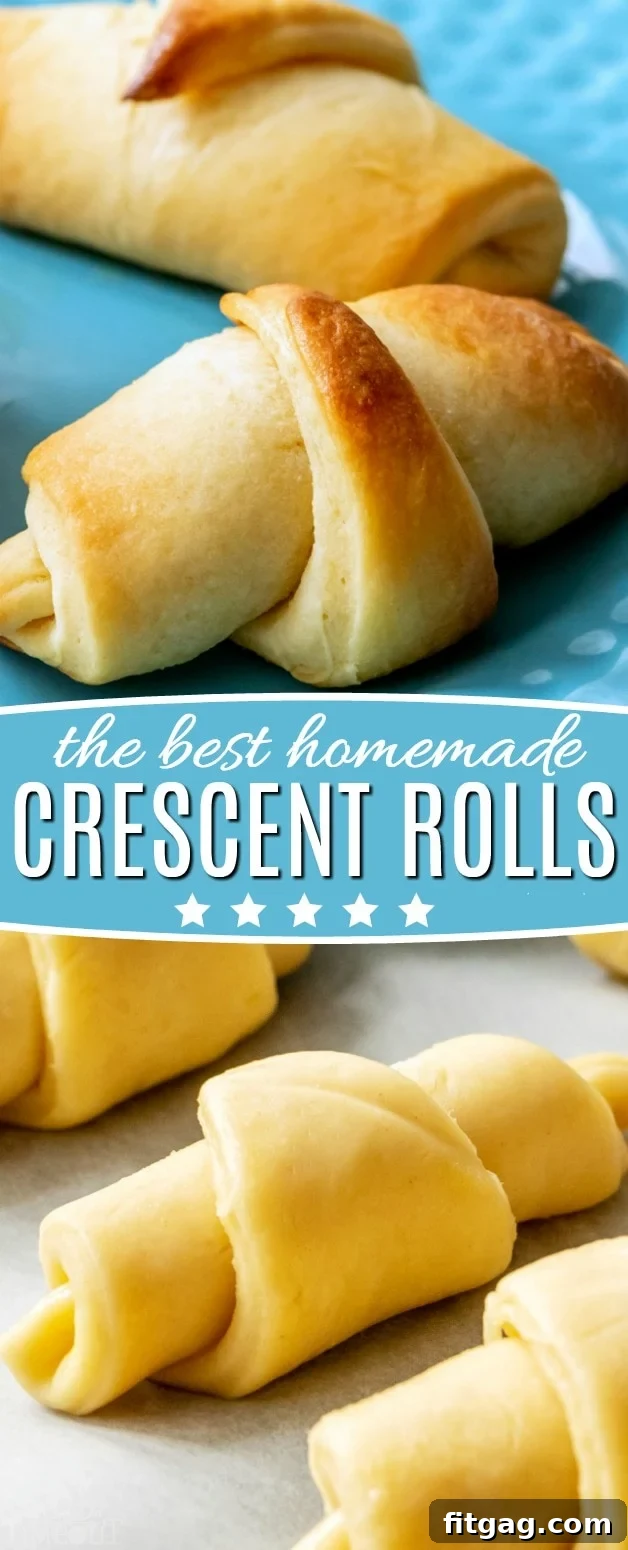
Baking these homemade crescent rolls is truly a rewarding experience. The process is a labor of love, but the outcome—soft, buttery, and utterly irresistible rolls—is well worth every moment. They transform any meal into a special occasion and are sure to be a cherished recipe in your family for generations to come.

For more delectable appetizer recipes, explore HERE.
Craving something sweet? Discover all our dessert recipes HERE.
Stay updated with our latest recipes by signing up for email notifications!
Join our vibrant community and follow us on Facebook, Pinterest, Instagram, Twitter, and Bloglovin’ for even more culinary inspiration and tips.