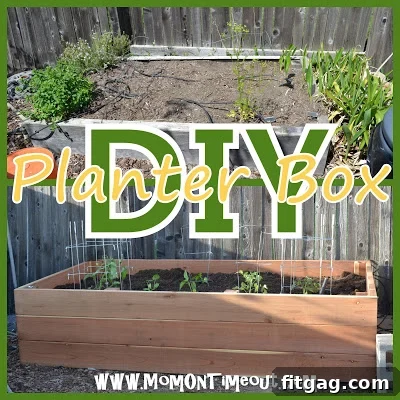
Craft Your Own Deep Raised Garden Planter Box: A Simple DIY Guide
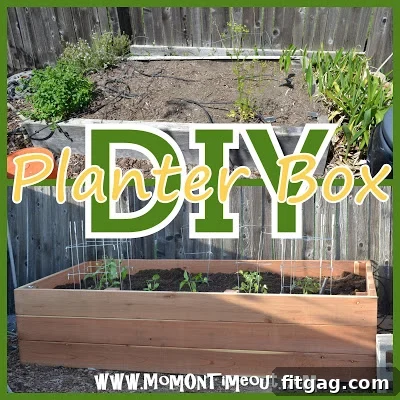
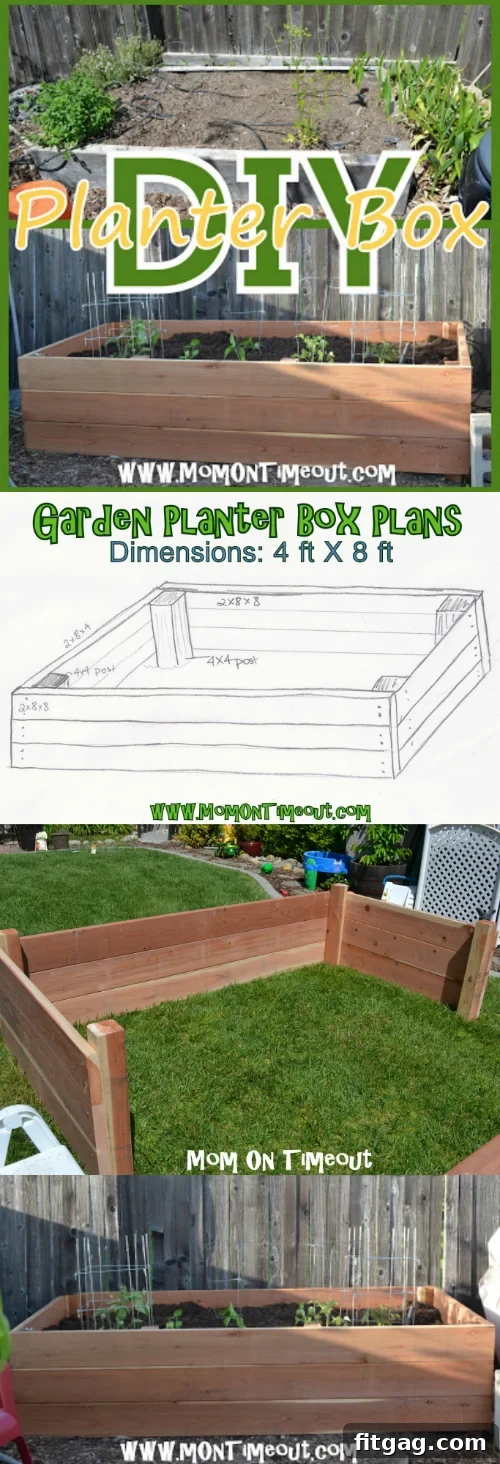
I am thrilled to share my latest garden project with you – a brand new, incredibly easy-to-build raised planter box! Honestly, anyone can construct this planter, and you can have it ready for planting in just a couple of hours. Yes, you read that right – a couple of hours!
Perhaps even less if you don’t have a few eager 5 and 3-year-old “helpers” by your side! 😉
Last year, my family and I decided it was time for an upgrade to our gardening setup. We were constantly struggling to grow healthy vegetables in our existing planter boxes because they simply weren’t deep enough. Living with clay soil, we found that once plant roots encountered that dense layer, growth would stunt significantly, leading to disappointing harvests. After brainstorming several ideas and considering various designs, we settled on a solution that promised ample depth and durability. This comprehensive guide will walk you through the entire process, empowering you to create your own thriving garden space.
Why Choose a Raised Garden Bed? Benefits of Deep Planters
Raised garden beds offer numerous advantages over traditional in-ground gardening, especially for those dealing with challenging soil conditions like ours.
- Improved Soil Control: With a raised bed, you have complete control over your soil mix. You can fill it with nutrient-rich, well-draining soil, ensuring optimal conditions for your plants regardless of your native soil type. This is crucial for breaking free from the limitations of heavy clay or sandy soils.
- Enhanced Drainage: Raised beds naturally drain better than ground-level gardens, preventing waterlogging and root rot, which are common issues in compacted or clay soils.
- Extended Growing Season: The soil in raised beds warms up faster in the spring, allowing for earlier planting, and stays warmer longer into the fall, extending your harvest season.
- Reduced Pests and Weeds: The elevated nature of these planters can deter some ground-dwelling pests. Additionally, because you’re introducing fresh soil, you start with a cleaner slate, minimizing weed seeds and making weeding much easier when they do appear.
- Ergonomic Comfort: Tending to plants in a raised bed means less bending and kneeling, making gardening more comfortable and accessible for everyone, including those with physical limitations.
- Deeper Root Growth: Our chosen design emphasizes depth, which is paramount for vegetables like carrots, potatoes, tomatoes, and corn that require significant root space to thrive. Deeper soil allows roots to spread out, access more nutrients, and support larger, healthier plants.
Materials You’ll Need
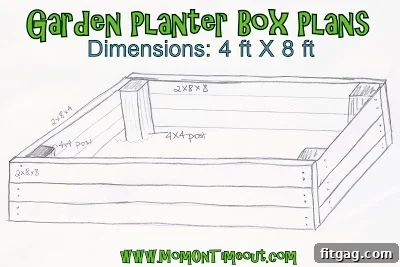
To build this 8ft x 4ft redwood raised garden bed, you will need the following materials. We opted for redwood for its durability and aesthetic appeal, but feel free to explore other lumber options suitable for outdoor use and within your budget, such as cedar, untreated pine, or composite lumber.
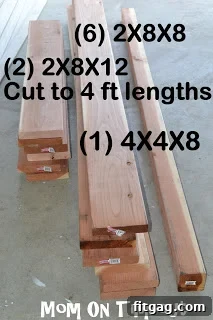
- (6) 2″x8″x8′ Redwood Boards
- (2) 2″x8″x12′ Redwood Boards – These will be cut into 4 ft lengths, yielding (6) 2″x8″x4′ boards.
- (1) 4″x4″x8′ Redwood Post
- Screws – 3 1/2″ exterior, self-drilling, corrosion-resistant screws. The “exterior” and “corrosion-resistant” aspects are crucial for longevity in outdoor, moist environments. Self-drilling helps make assembly quicker and reduces the need for pre-drilling.
Essential Tools for Assembly
Before you start, gather these basic tools:
- Circular Saw or Miter Saw: For cutting the 4×4 posts (and potentially other boards if you don’t have them pre-cut).
- Power Drill/Driver: Essential for driving screws quickly and efficiently.
- Measuring Tape: For accurate measurements.
- Carpenter’s Square: Absolutely critical for ensuring your corners are perfectly square, which leads to a sturdy and professional-looking planter.
- Level: To ensure your planter is perfectly level once placed in its final location.
- Safety Glasses and Gloves: Always prioritize safety during any DIY project.
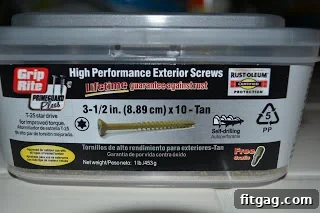
We purchased all our materials at our local Lowe’s store. The total cost came to just under $170, including tax, which we felt was a very fair price for a raised garden bed of this substantial size and quality. If an 8ft x 4ft planter is too large for your space, or if redwood falls outside your budget, don’t worry! This design is incredibly versatile and can be easily modified to suit any desired size and material.
Customizing Your Planter Box: Size and Budget Considerations
The beauty of a DIY project is the ability to adapt it to your specific needs. Here are a couple of examples for modifying the size:
- 4 ft x 4 ft Planter: This smaller, square design would require a total of 48 linear feet of wood, with 16 feet needed for each of its three levels.
- 3 ft x 6 ft Planter: A rectangular option, this would use a total of 54 linear feet of wood, with 18 feet for each level.
Before making your purchase, I highly recommend visiting your local home improvement store. Take the time to price out different lengths and types of lumber. Do the math carefully to ensure you’re maximizing your materials and getting the most value for your money, minimizing waste.
We had a helpful associate at Lowe’s cut our 12-foot boards into three equal 4-foot lengths. However, most stores are unable to cut 4×4 posts due to their thickness, so we handled that at home. Using a circular saw, we cut our 8-foot 4×4 post in half, and then each of those halves in half again, resulting in four perfectly equal lengths for our corner posts.
Step-by-Step Construction Guide
1. Assembling the Short Sides
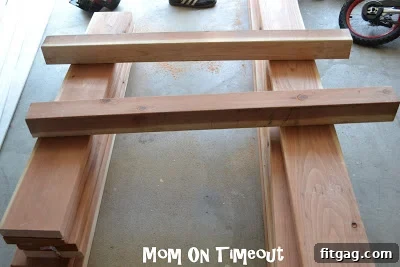
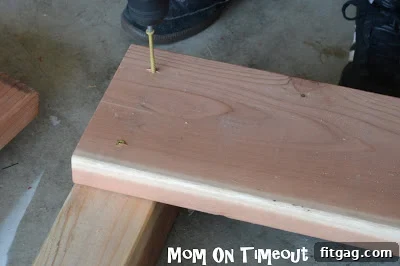
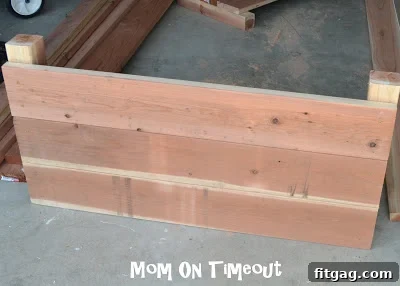
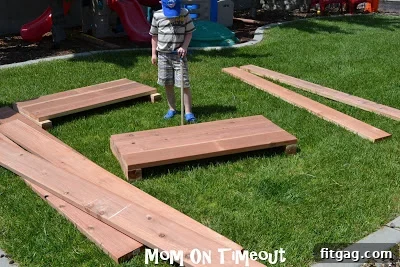
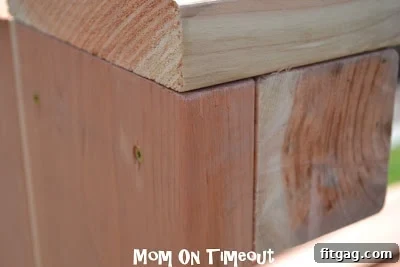
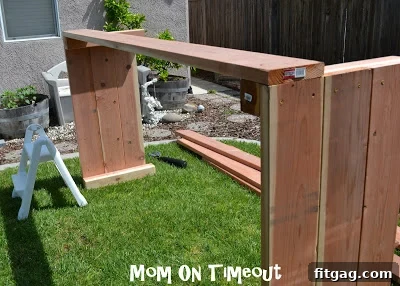
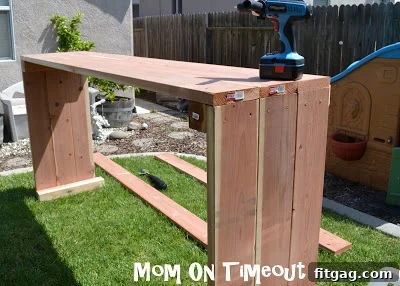
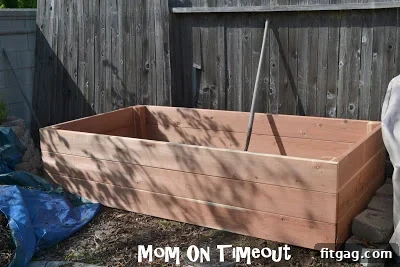
We began the assembly process by focusing on one of the short ends of the planter. This involved attaching the 4-foot redwood boards to the 4×4 corner posts. It’s crucial at this stage to ensure that the pieces are perfectly squared up on both sides using your carpenter’s square. For each board, we used two screws per side, meaning a total of four screws securely fastened each board to its respective post. This methodical approach ensures a strong, stable foundation for your planter.
2. Joining the Long Sides
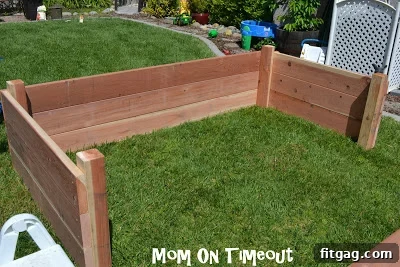
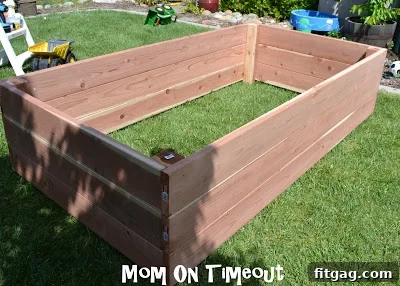
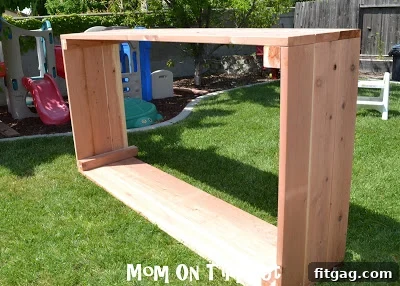
Setting Up Your New Garden Oasis
1. Relocating and Leveling
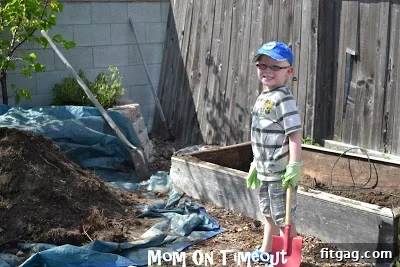
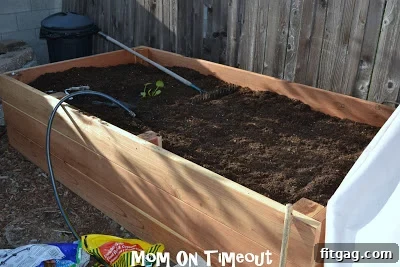
2. Filling and Planting
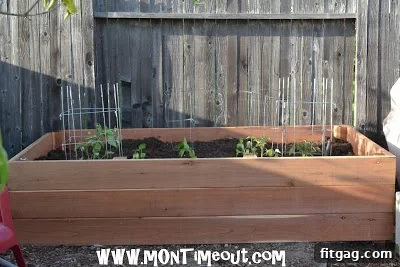
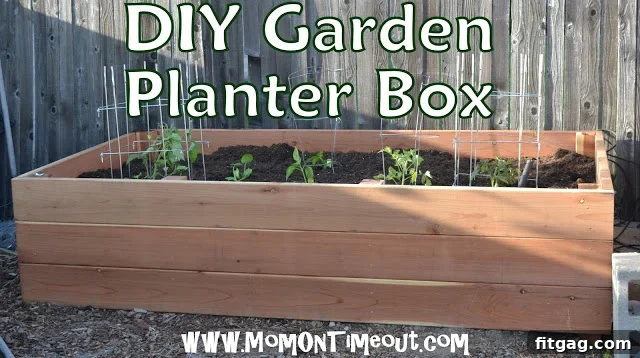
Enjoying Your Natural Garden
What are your thoughts on raised garden beds? Do you prefer them, or do you garden directly in the ground? Share your gardening experiences and tips in the comments below!
Connect with me!
Linking up here, Home Stories A2Z, Savvy Southern Style, and My Repurposed Life.