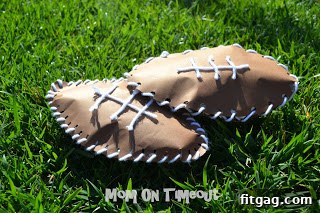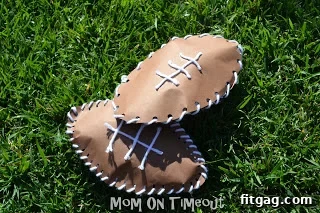
Score Big Fun: The Ultimate DIY Paper Football Craft Guide
Get ready to tackle a fantastic craft project that’s perfect for football enthusiasts of all ages! Whether you’re gearing up for the big game, hosting a football-themed party, or simply looking for a creative and engaging activity for kids, our DIY paper football craft is a guaranteed touchdown. This project requires minimal materials and can be easily adapted for various skill levels, making it ideal for groups. Imagine a room full of excited children, each crafting their very own paper football, then engaging in a friendly game of desk football or gentle tosses. It’s an excellent way to keep little hands busy and spark creativity, resulting in a fun-tastic, personalized football that’s perfect for indoor play. Customize your creations by using paper in your favorite team colors for an extra layer of team spirit!
Materials You’ll Need:
Gathering your supplies is the first step to crafting success. The beauty of this project lies in its simplicity and the common availability of its materials. Here’s what you’ll need to make your very own paper footballs:
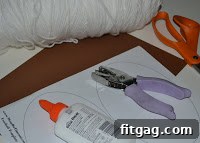
- Brown Paper: Sturdy construction paper or craft paper works best, providing a durable base for your football. You can also experiment with other colors to represent different teams or create unique designs.
- Newspaper, Shredded: This will be your eco-friendly stuffing! Collect old newspapers and prepare to shred them into small pieces. It’s a great task for kids to help with and an excellent way to recycle.
- White Yarn: Essential for the classic football laces and to stitch your football halves together. Any sturdy white yarn or even string will do.
- Scissors: A good pair of sharp scissors is needed for cutting the paper. Ensure child-safe scissors are used for younger crafters, always under adult supervision.
- Craft Glue: Liquid craft glue or school glue will be used to attach the decorative laces. A quick-drying formula can be beneficial.
- Hole Punch: A standard single hole punch is crucial for creating the holes around the perimeter of your football, preparing it for lacing.
- Printable Football Template: An optional but highly recommended template to ensure your footballs have a classic, symmetrical shape. This makes the cutting process much easier and more consistent.
Step-by-Step Instructions: Crafting Your Paper Football Masterpiece
Follow these easy steps to create your very own handmade paper football. Each stage is designed to be straightforward, making it an enjoyable activity for crafters of all skill levels.
 Step 1: Preparing Your Stuffing – The Newspaper Shredding Fun
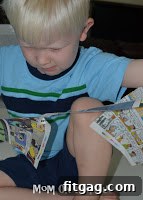 Step 1: Preparing Your Stuffing – The Newspaper Shredding Fun
Your first task is to prepare the stuffing for your footballs. Gather several sheets of old newspaper. The more footballs you plan to make, the more newspaper you’ll need! Begin shredding the newspaper into small, manageable pieces. This can be a fantastic sensory activity for children, improving their fine motor skills and hand strength. Encourage them to tear, rip, and crumple the paper until you have a generous pile of fluffy newspaper strips. While it’s a great opportunity for “child labor” (in the fun, craft-assistant sense!), always ensure that hands are thoroughly cleaned afterwards. You’ll need a fair amount of stuffing for each football to give it a satisfying, plump feel, so don’t be shy about shredding!
Step 2: Designing Your Football Shape – Folding and Cutting
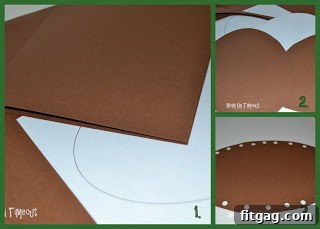
Begin by taking a sheet of brown paper and folding it neatly in half. This crucial step ensures that when you cut your football shape, you’ll produce two identical halves, which are essential for a symmetrical and well-crafted football. Now, you have two options for creating your football outline: you can either use the provided printable template for a classic shape or unleash your creativity by drawing your own large oval. If drawing freehand, aim for a balanced, elongated oval that resembles a traditional football. With the paper still folded, carefully cut along your chosen outline. Cutting both layers of paper simultaneously guarantees that your front and back football pieces are perfectly matched in size and shape, which is vital for the next step of lacing them together smoothly.
Step 3: Preparing for Lacing – Punching the Holes
Once you have your two perfectly matched paper football halves, it’s time to prepare them for lacing. Keeping both pieces aligned, use a hole punch to create a series of holes around the entire perimeter of the football shape. The spacing of these holes is entirely up to you, but aim for consistency – about half an inch to an inch apart typically works well. The most important tip here is to ensure that you do not punch the holes too close to the edge of the paper. Punching too near the edge can weaken the paper and cause it to tear when you begin lacing, compromising the durability of your football. Evenly spaced holes will make the lacing process smoother and result in a neater, more professional-looking seam. This step is also great for developing fine motor skills and hand-eye coordination.
Step 4: Beginning the Stitch – Initial Lacing
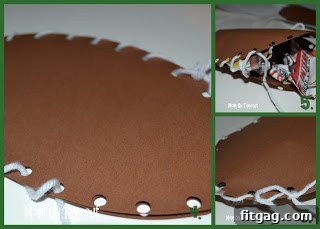
Now, let’s start bringing your football to life! Take a length of white yarn – we recommend about 3-4 feet, depending on the size of your football, to ensure you have enough to complete the lacing without needing to add more later. Tie one end of the yarn securely around one of the punched holes on your paper football. This will act as your anchor point, preventing the lacing from unraveling. Begin threading the white yarn through the corresponding holes on both paper halves, creating a neat seam. A simple whip stitch or “in and out” pattern works beautifully. Continue lacing the two pieces together, pulling the yarn taut enough to join the edges but not so tight that it rips the paper. As you go around, remember to stop before you completely close off the football – leave a gap of several unlaced holes, as this opening will be essential for stuffing your football in the next step.
Step 5: Bringing Your Football to Life – The Stuffing Process
With a significant portion of your football already laced, it’s time for the exciting part: stuffing it! Through the opening you intentionally left during the lacing process, begin to gently but firmly stuff the interior of your paper football with the shredded newspaper you prepared earlier. The goal here is to give your football a nice, plump, and firm feel, similar to a real football, but without overstuffing it to the point where it becomes rigid or causes the paper to tear. Distribute the shredded newspaper evenly inside, pushing it into all corners and edges to ensure the football takes on a smooth, rounded shape without any noticeable lumps or flat spots. If you’re running low on newspaper, cotton balls, tissue paper, or even fabric scraps can be used as alternatives, though newspaper is a classic choice for its texture and recyclability.
Step 6: Completing the Seam – Finishing the Lacing
Once your paper football is fully stuffed and has achieved a satisfyingly firm yet squeezable feel, it’s time to close it up. Continue threading the white yarn through the remaining open holes, carefully pulling the edges together to encapsulate all the stuffing. As you lace these final holes, gently push any stray newspaper bits back inside to ensure a tidy finish. When you reach the end of the lacing and the football is completely sealed, tie off the yarn securely. A double knot is recommended to ensure the seam holds firmly and doesn’t come undone during play. Trim any excess yarn close to the knot, and for an even neater appearance, you can discreetly tuck the knot and any remaining yarn tail inside the football. This completes the structural integrity of your paper football, making it ready for its iconic decorative laces.
Step 7: The Final Touch – Securing Your Stitching
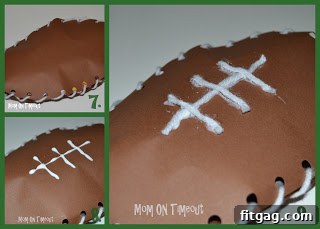
After you have fully laced your football and tied off the yarn, it’s essential to secure this knot well. A tight double knot will prevent the lacing from unraveling during play and ensure the durability of your craft. For an extra tidy finish, carefully tuck any remaining yarn tail inside the football. You can use a small dab of craft glue on the knot for additional security, though discreetly tucking it away often suffices. This step ensures the structural integrity of your paper football, making it robust and ready for the decorative laces that give it its iconic, realistic appearance. A well-secured seam means your football can withstand many rounds of tossing and catching.
Step 8: Adding the Signature Football Laces – Glue Application
Now it’s time to add the iconic white laces that make your craft instantly recognizable as a football! Lay your finished, stuffed, and laced paper football on a flat surface. Take your craft glue and carefully apply a single, straight line of glue down the very center of one side of the football. This line should be approximately three inches long, forming the main vertical seam where the laces would be on a real football. Once the central line is in place, apply three shorter, horizontal lines of glue across it. These shorter lines should be about 1.5 inches each and evenly spaced along the central line, mimicking the look of the cross-stitches on a professional football. Precision here will greatly enhance the authentic look of your craft. Ensure you’re using enough glue to hold the yarn firmly but not so much that it oozes out excessively.
Step 9: Placing the Decorative Laces – Yarn Application
With your glue lines perfectly laid out, it’s time to apply the yarn laces. Carefully cut four pieces of white yarn: one piece should be approximately 3 inches long to match your central glue line, and the remaining three pieces should each be about 1.5 inches long for the horizontal cross-stitches. Gently place the 3-inch yarn piece onto the long central glue line, pressing it down lightly so it adheres smoothly. Then, take your three 1.5-inch yarn pieces and carefully place them onto the shorter horizontal glue lines, ensuring they are centered and straight. Once all the yarn pieces are in place, gently pat them down to ensure good contact with the glue. Now comes the most important part: patience! Allow the glue to dry completely, which might take a few hours depending on the type of glue used. Once dry, your decorative laces will be securely attached, giving your paper football a professional and authentic appearance, ready for play!
Congratulations, you’ve just crafted your very own paper football! These handmade creations are not only a blast to make but also provide endless entertainment. Perfect for indoor play, a fun craft for school projects, unique party favors for a football-themed gathering, or even a friendly game of desk football during breaks. Don’t forget, the possibilities for customization are vast! Experiment with different colored paper to represent your favorite team’s colors, or add personal touches with markers and stickers before you begin the lacing process. This simple yet incredibly engaging craft project is a fantastic way to develop fine motor skills, hand-eye coordination, and foster creativity in children. So, gather your team, get your materials ready, and get set to craft your way to a touchdown of fun with these charming DIY paper footballs!